
Breast surgery
Breast Reconstruction Revision
Dr. Cassileth specializes in correcting reconstruction outcomes other surgeons can't — or won't — address.

Overview
Not every breast reconstruction delivers the result a patient hoped for. Implants may be visible, feel unnatural, or sit asymmetrically. Tissue may have hardened. The reconstructed breast may look nothing like the natural one. For women who underwent reconstruction elsewhere, these outcomes can feel like a second loss.
Dr. Cassileth sees patients from across the country seeking revision of prior reconstruction. Whether the issue is implant malposition, capsular contracture, asymmetry, rippling, or simply dissatisfaction with the initial result, she has the experience to correct it.
Fat grafting is often a core component of reconstruction revision. Dr. Cassileth uses the patient's own fat to soften implant edges, fill divots left by oncological surgery, restore warmth and natural movement, or — in some cases — replace implants entirely.
Who it's for
The right candidate.
- Women unhappy with a prior reconstruction (performed elsewhere or at our practice)
- Patients with visible implant edges, rippling, or asymmetry
- Women experiencing capsular contracture after reconstruction
- Patients seeking to replace implants with fat grafting
- Women whose reconstructed breast has changed over time
- Patients who are not yet fully healed from their initial reconstruction (typically 6+ months required)
Technique
How it's done.
The cases others refer out. Dr. Cassileth's reputation is built on fixing complex revisions — the patients who've been told nothing can be done.
Fat grafting expertise. Fat transfer can solve problems implants cannot. Dr. Cassileth uses refined techniques to harvest, purify, and inject fat for natural-looking corrections.
Insurance advocacy. Many revisions qualify for insurance coverage, especially if the original reconstruction was for cancer. Our team fights for coverage.
What To Expect From Breast Reconstruction Revision Surgery
The consultation process is the most important part of surgery preparation. When we meet, you will have the opportunity to discuss your concerns, get answers to any questions you have, and learn more about your options. I will review your medical history and perform an exam. Then we will work with you to craft a treatment plan that is custom-tailored to your needs and goals.
Preparing For Breast Reconstruction Revision
It is important to stop smoking and all nicotine products several weeks before your surgery. You may also need to stop using certain medications. My team will give you a detailed list of pre-surgical instructions and we’ll be available to answer any questions.
Your Breast Reconstruction Revision Procedure
Breast reconstruction revision procedures are performed under either deep sedation or general anesthesia. The specific surgical techniques used during your surgery will vary depending on what type of surgery you have. I will review your treatment plan with you in detail to ensure that you understand exactly what will happen in the operating room. Our team will make sure you feel fully prepared going into surgery.
Recovery After Breast Reconstruction Revision
The recovery process after breast reconstruction revision surgery varies depending on the specific procedure and the extent of the revision. Generally, patients can expect to experience some pain, swelling, and bruising for several days to a few weeks after the surgery. Patients may need to limit physical activities and avoid lifting heavy objects for several weeks. My team will provide specific instructions on post-operative care and follow-up appointments.
What to expect
From consultation to recovery.
Before Surgery
- Consultation — Bring all prior surgical records. Dr. Cassileth will examine your current result and discuss what's possible.
- Imaging — 3D imaging and/or MRI may be used to assess implant position, capsule, and tissue quality.
- Surgical plan — A detailed plan is created based on your goals — whether that's implant adjustment, fat grafting, or full revision.
During Surgery
- Procedure varies — May include implant removal/replacement, capsule work, fat grafting, or a combination. General anesthesia typical.
- Fat harvest — If fat grafting is part of the plan, fat is taken from the abdomen, flanks, or thighs via gentle liposuction.
After Surgery
- Recovery time varies — Depends on complexity. Most patients return to light activity within 1–2 weeks.
- Multiple sessions may be needed — Fat grafting sometimes requires 2–3 sessions for optimal results.
“I had an incredible experience with Dr. Cassileth and her team! Everything was easy and comfortable from the very beginning - Dr. C answered all my questions and explained all the options available to me in detail, including the pros and cons of each possible approach. My results are everything I've dreamed and more.”
— Abbey L. via Google My Business
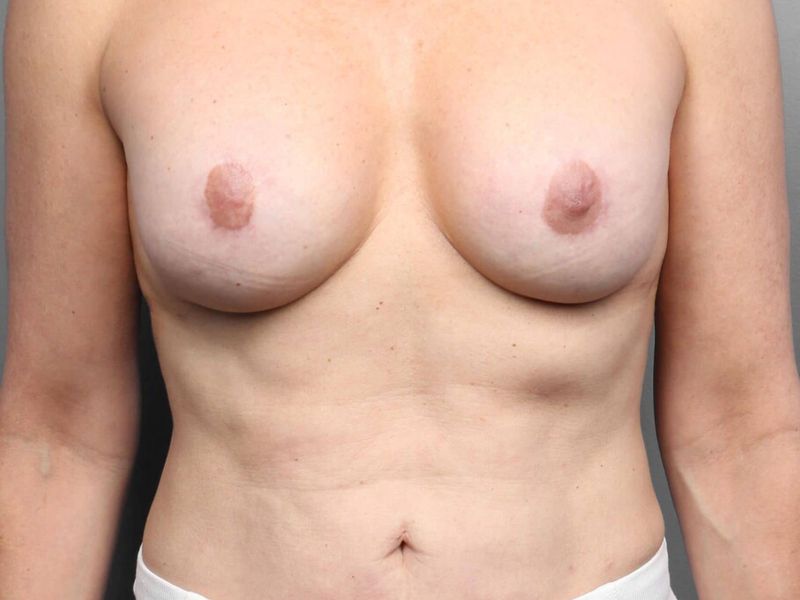
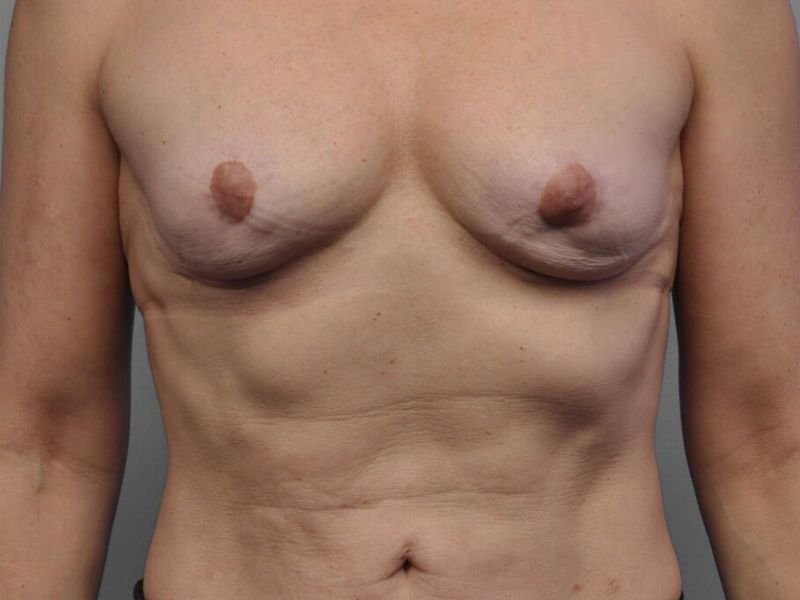
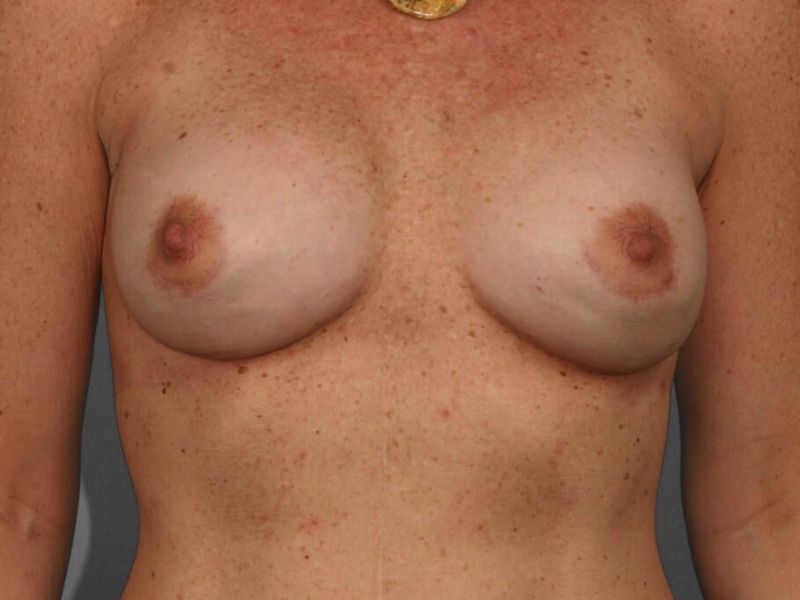
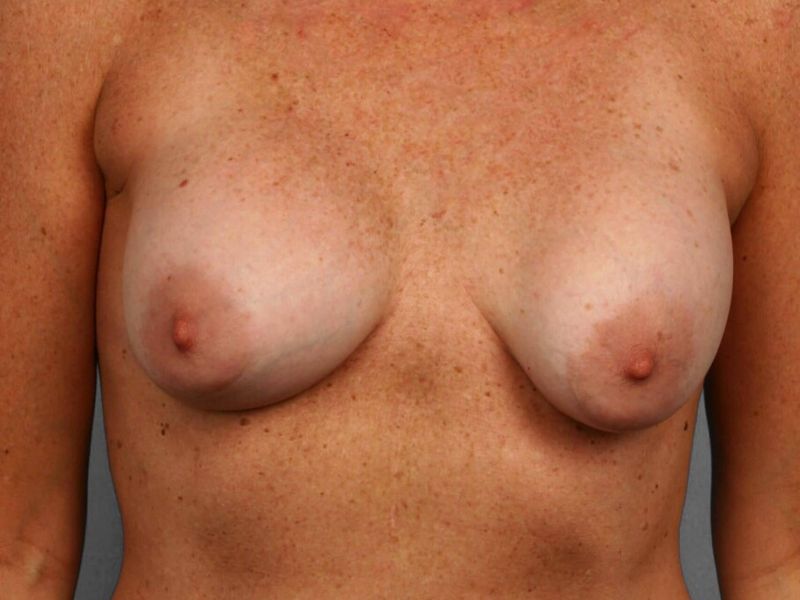
Patient results
Real cases.
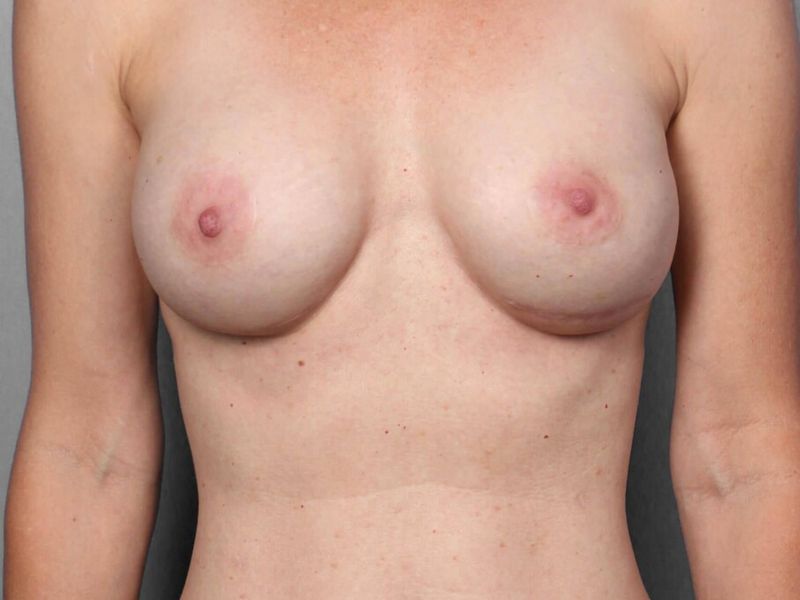
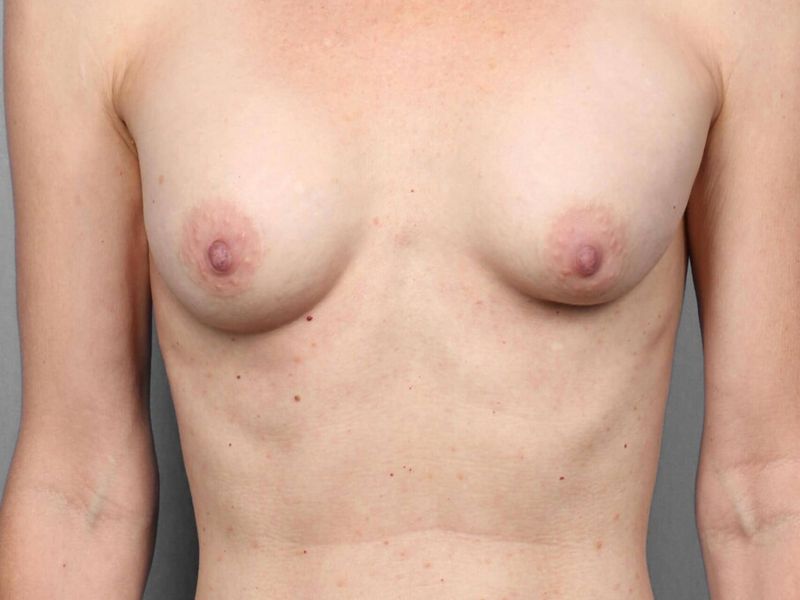
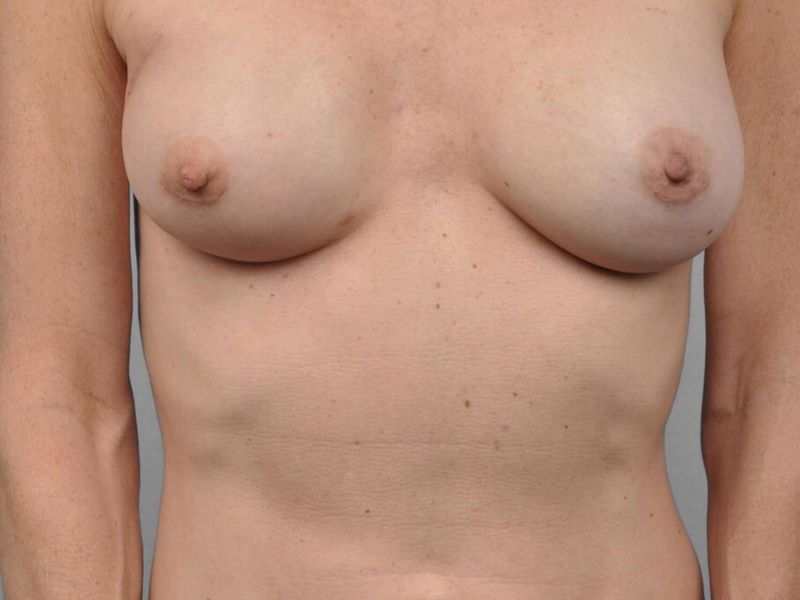
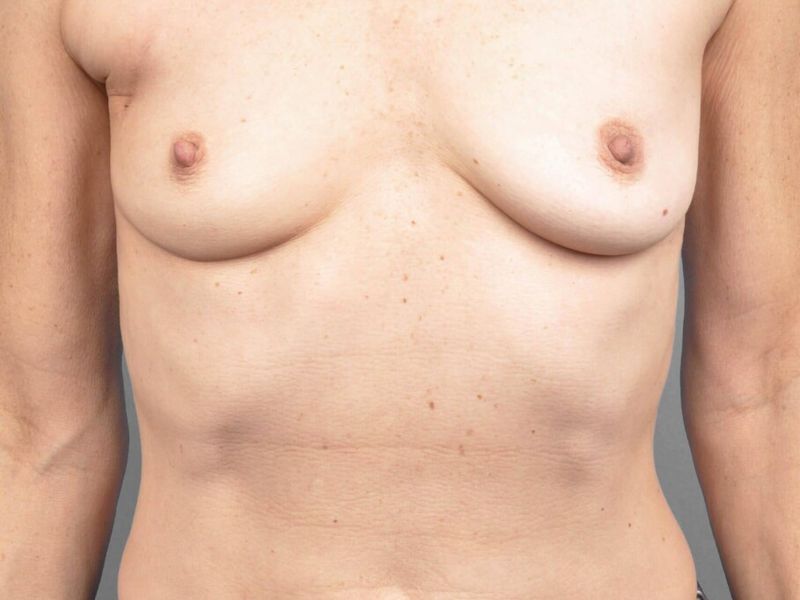


Insurance
Read about coverage & financing →Revision of breast reconstruction may be covered by insurance, especially when the original surgery was cancer-related. Our team will work with your provider to pursue authorization.
FAQ
Common questions.
What Is Breast Reconstruction Revision Surgery?
Breast reconstruction revision surgery is a surgical procedure that aims to modify or improve the results of a previous breast reconstruction surgery. The revision typically involves modifying the implant, the fat content, or the implant placement of the reconstructed breast. I offer many types of reconstruction revision surgery and will work with you to find the treatment plan that is best for you.
What Are Some Common Reasons For Breast Reconstruction Revision Surgery?
Common reasons for breast reconstruction revision surgery include implant rupture, implant malposition, implant displacement, capsular contracture, implant rippling or wrinkling, implant visibility or palpability, implant asymmetry, skin or nipple-areola complex (NAC) malposition, skin laxity or excess, pain and dissatisfaction with the initial results.
How Long After My Initial Breast Reconstruction Surgery Should I Wait Before Considering Revision Surgery?
The timing for revision surgery depends on the specific issue and the healing process. Generally, it is recommended to wait for at least six months after the initial surgery to allow for proper healing and stabilization of the breast tissues. However, in some cases, revision surgery may be performed earlier if there is a complication or issue that requires immediate attention.
Is Breast Reconstruction Revision Surgery Covered By Insurance?
Insurance coverage for breast reconstruction revision surgery varies depending on the specific policy. As always, we strive to have insurance cover as much as possible, as breast cancer or prophylactic mastectomy is the cause of the problem. Please let our staff know if you have a very difficult revision, you have been denied help by other surgeons, or other surgeons have failed during prior attempts, and we may be able to get permission from your insurance company to fully cover this procedure.
Related reading
From the journal.


Sources
Cited research.
- 1American Society of Plastic Surgeons. 2023 Plastic Surgery Statistics. Available: https://www.plasticsurgery.org/documents/news/statistics/2023/plastic-surgery-statistics-report-2023.pdf. plasticsurgery.org · Accessed May 7, 2024
- 2Breast Cancer. Reducing infection risk in implant-based breast-reconstruction surgery: challenges and solutions. Available: https://www.ncbi.nlm.nih.gov/pmc/articles/PMC5012596/ ncbi.nlm.nih.gov · Accessed May 7, 2024
Ready to discuss breast reconstruction revision?
Schedule a consultation with Dr. Cassileth and her team to explore your options.
Request a consultation