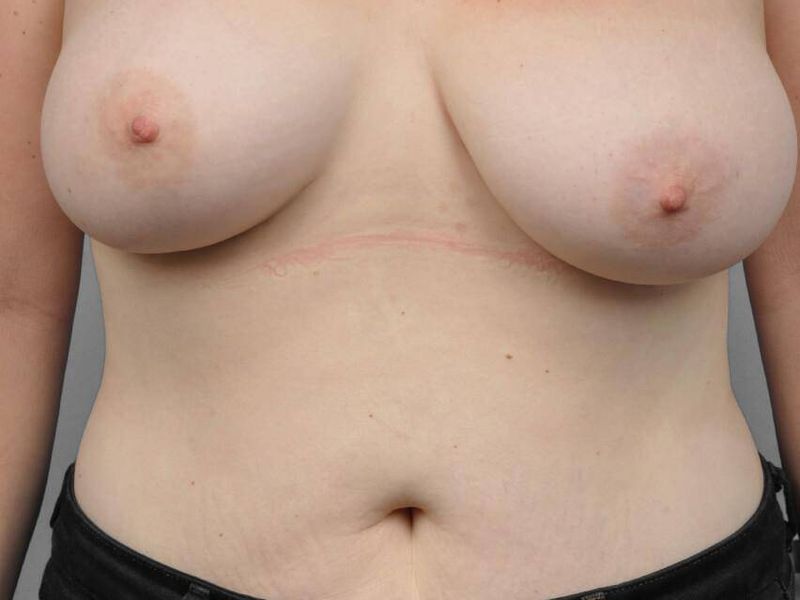
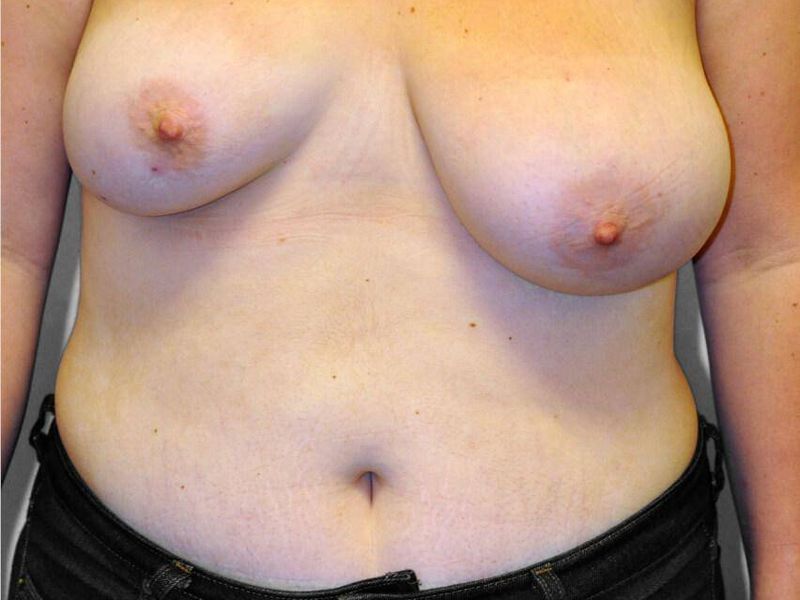
Case #1587 · Bakersfield, California
Fat Transfer Breast Augmentation

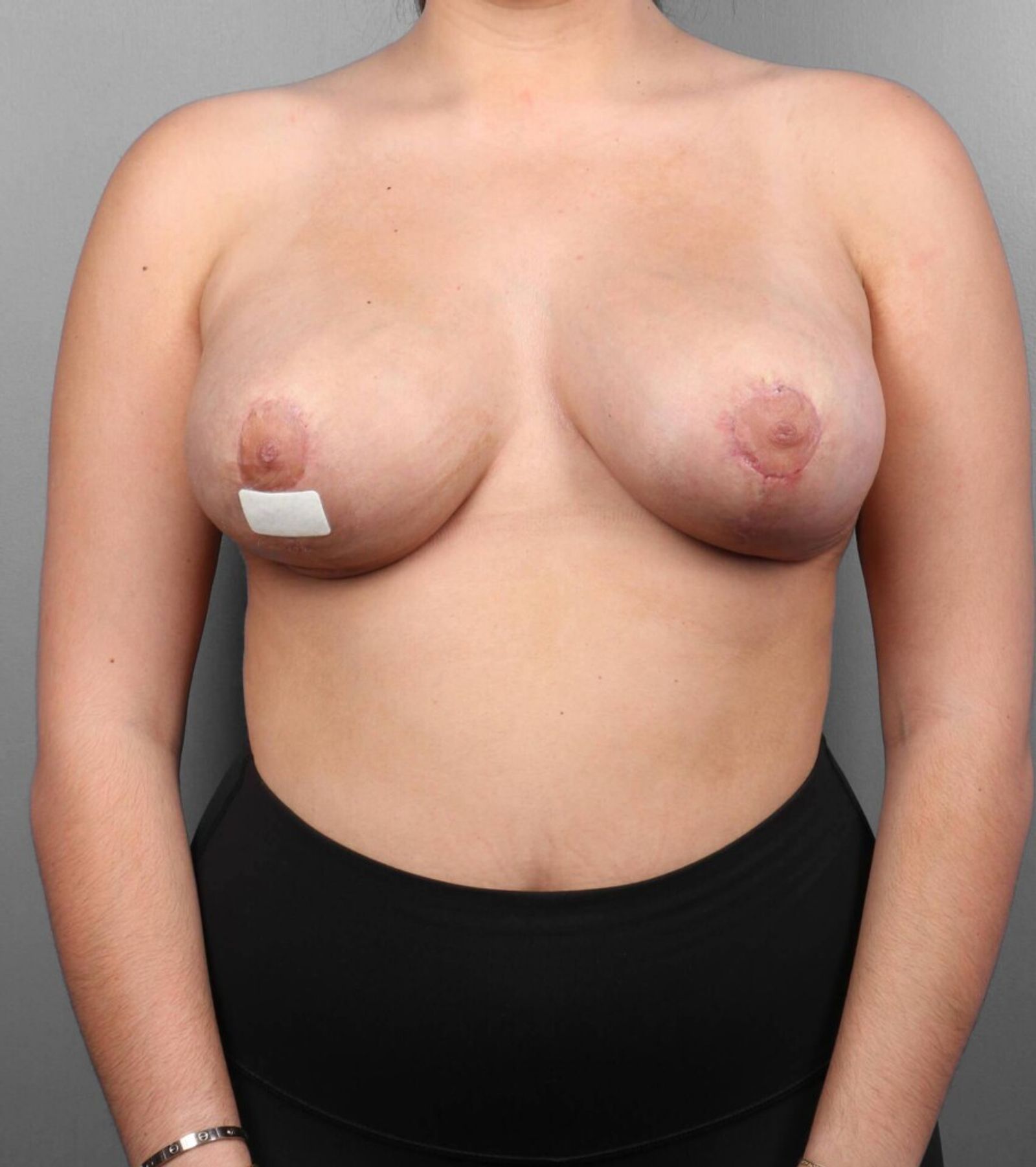
Drag the handle to compare. Click anywhere to jump.
Additional views

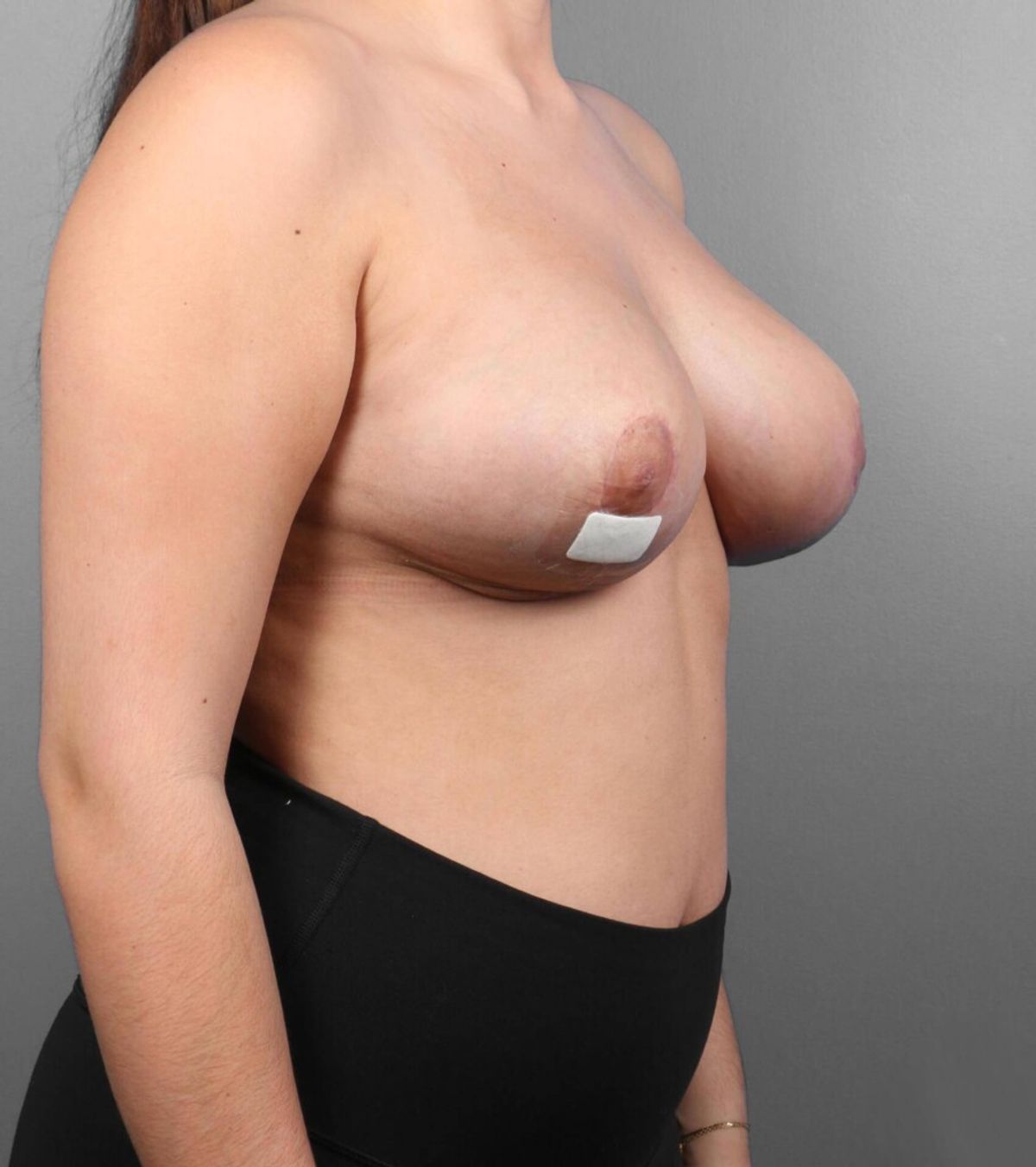

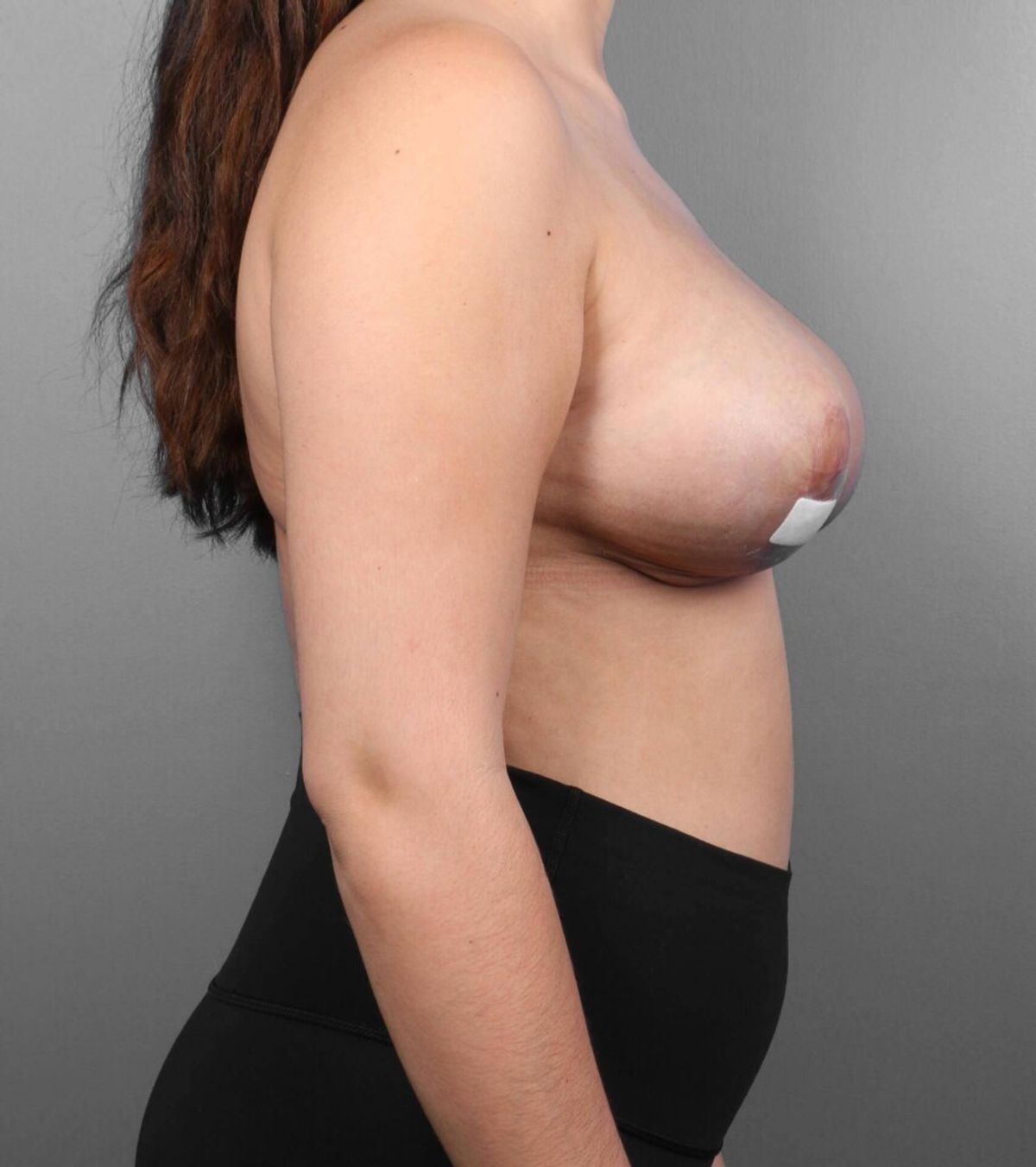
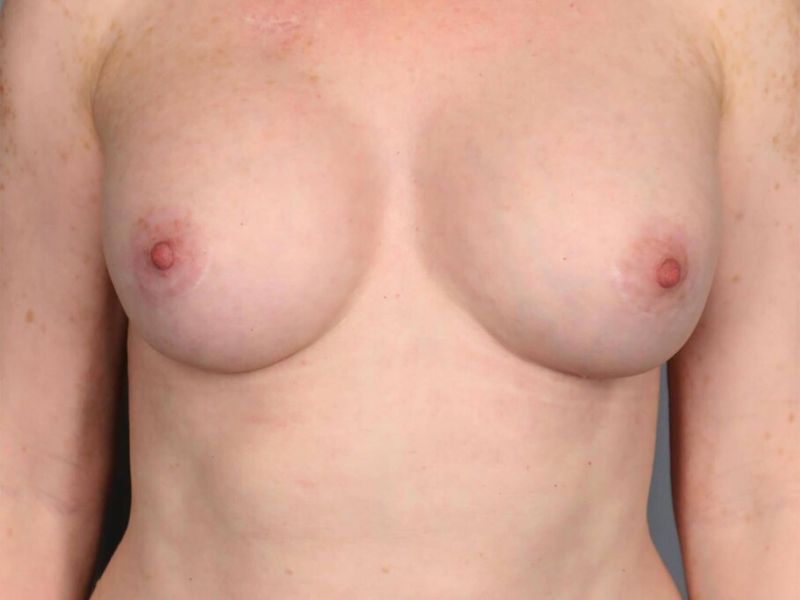
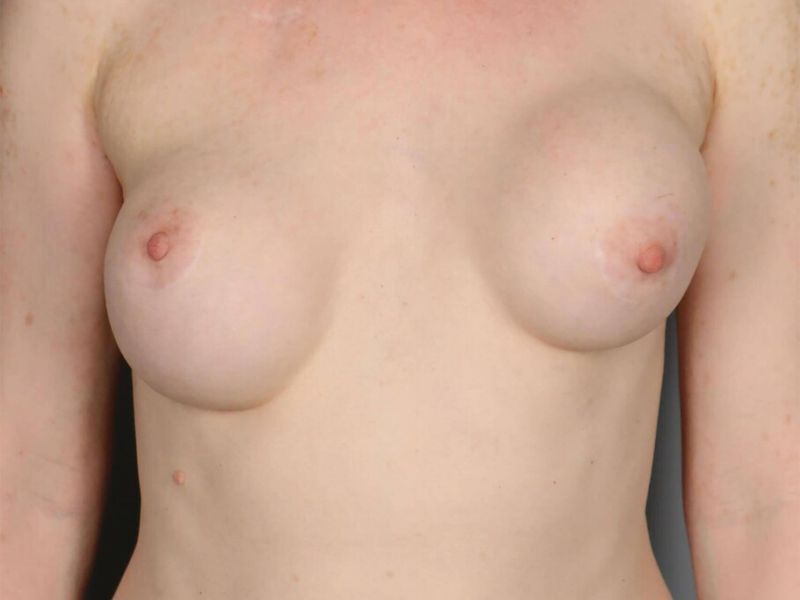
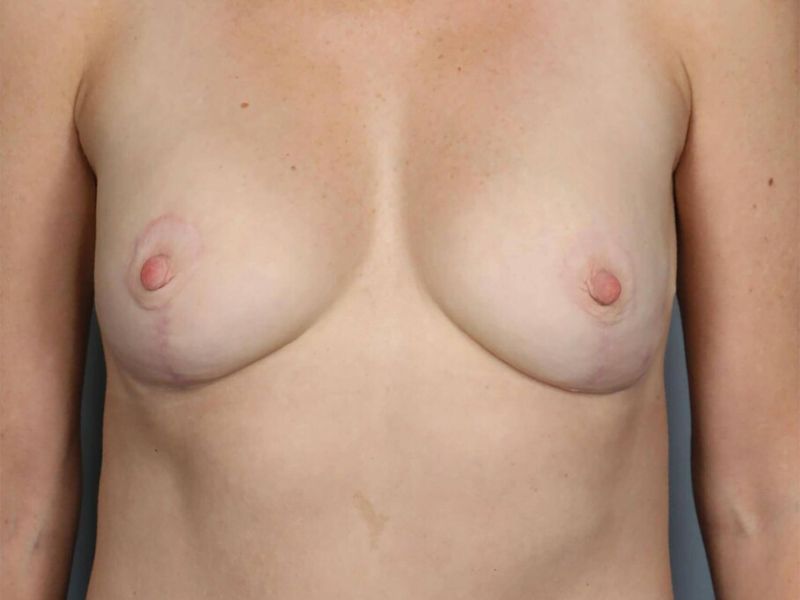
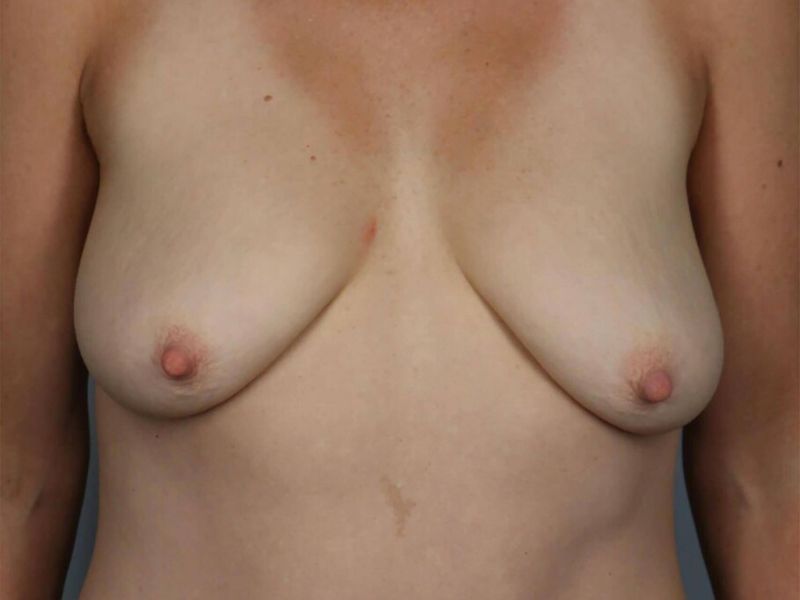
This 23-year-old patient from Bakersfield, California complained of large, heavy breasts. She was a size 36E and felt she was constantly restricted her chest size. Dr. Cassileth performed bilateral breast reduction with fat grafting upper pole.
Continued care
Recommended aftercare, skincare, and MedSpa services for Fat Transfer Breast Augmentation.
- No pressure on the breasts for 3 weeks — graft survival depends on tissue contact preservation
- No bra with underwire for 6 weeks
- Walking encouraged; cardio at week 4
- Liposuction donor sites: compression garment for 4–6 weeks
- Hyperbaric Oxygen Therapy to support healing when recommended
- Hydrating body protocol on liposuction sites
- SkinCeuticals C E Ferulic on liposuction incision site scars
- Massage at donor sites starting week 3 to break down residual edema
- Hyperbaric oxygen therapy when recommended — improves fat graft survival
- Indiba radiofrequency on donor sites for tissue tightening
- LED light therapy to reduce bruising
- Aftercare
Bilateral HBOT protocol, 10–15 sessions over the first 6 weeks.
Bilateral procedures heal more reliably with sustained HBOT.
- Skincare
SPF 50+ on incisions daily for the first year; younger skin pigments scars more reliably under UV.
Younger skin pigments scars more reliably under sun exposure.
Why this approach
The decisions that shaped this surgical plan.
- Bilateral approach chosen to keep the planning, the tissue response, and the aesthetic outcome consistent between sides.
Pre-op preparation
What to do before surgery. Specific to this case.
- Discontinue blood thinners (NSAIDs, aspirin, fish oil, vitamin E) two weeks out. Acetaminophen remains safe; the full list is reviewed at pre-op.
- Full nicotine cessation 6 weeks pre- and post-op. This includes vapes and nicotine replacement products; the constriction effect is the same.
- No overhead clothing for 3 weeks. Stock front-zip tops, supportive sports bras (post-clearance), and the drain pouches we provide.
- Confirm a driver for surgery day and a companion who can stay through the first night.
Recovery timeline
Milestones specific to this case. Individual recovery varies.
- Day 1–7
First week is the strictest activity window. Bilateral cases benefit most from staying ahead of swelling with consistent icing and rest.
- Week 2
Walking distance doubles. Showering rules relax. Compression garments transition to the long-wear schedule.
- Week 4
Return to most low-impact activity. Scar massage, compression, and skincare protocols pick up.
- Week 6
Most physical restrictions lift. Return to strength training, full-impact cardio, and overhead lifting.
- Month 3
Tissue softens, scars begin to fade, and overall shape settles toward final. Scar maturation continues for another 6 months.