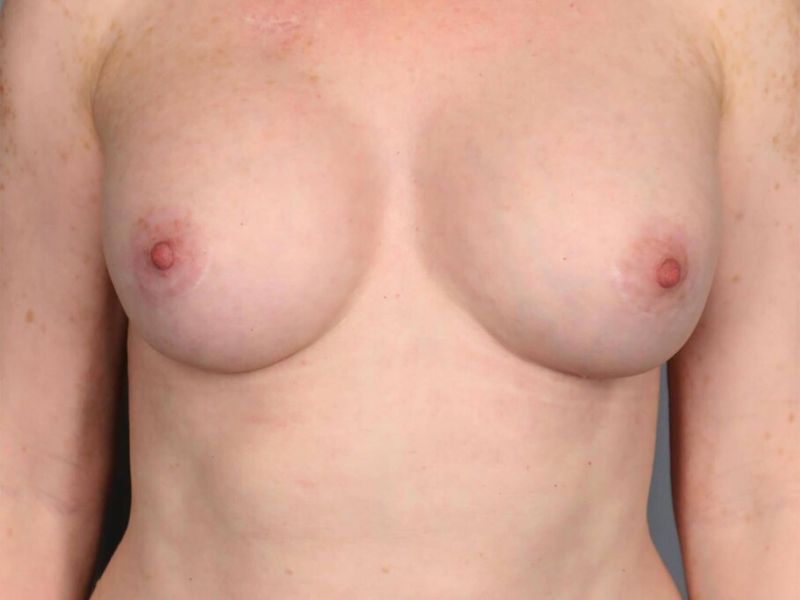
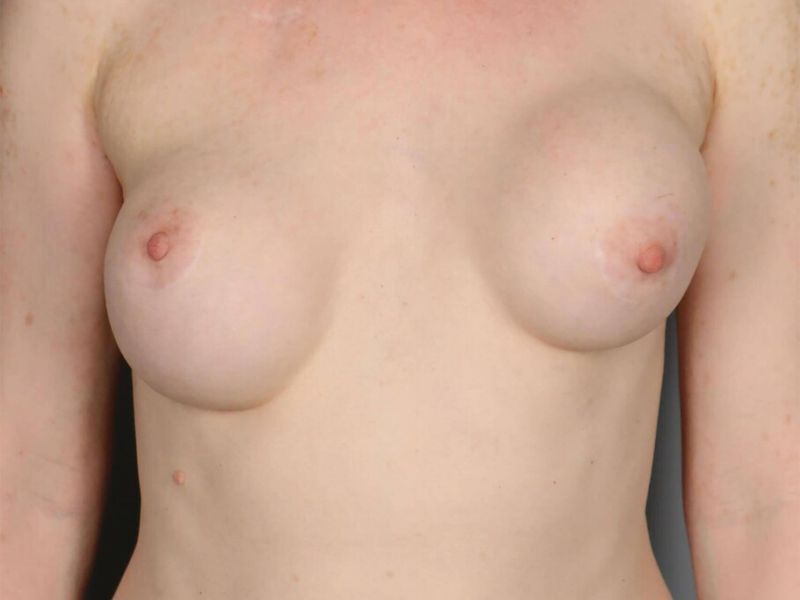
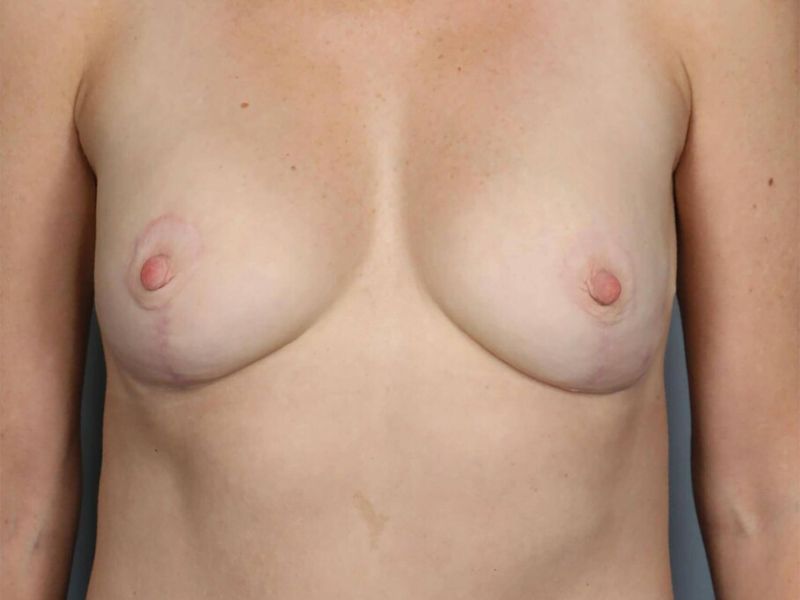
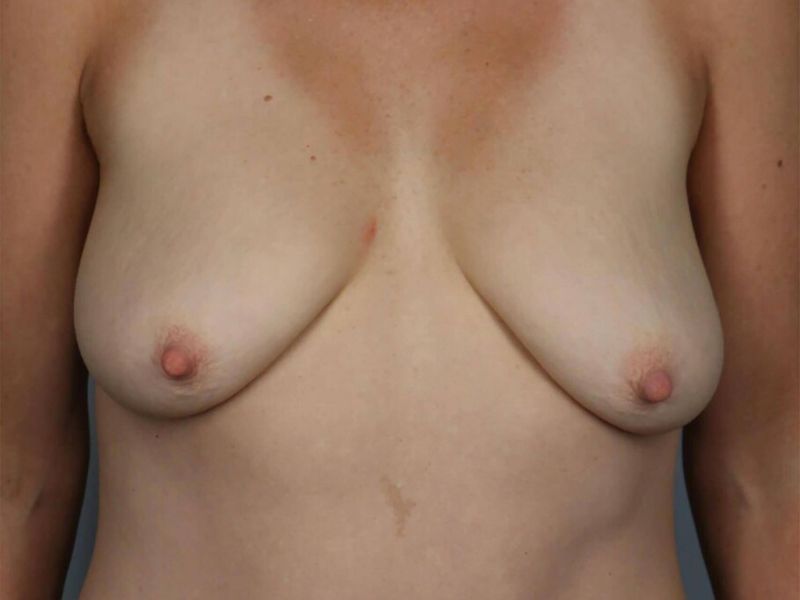
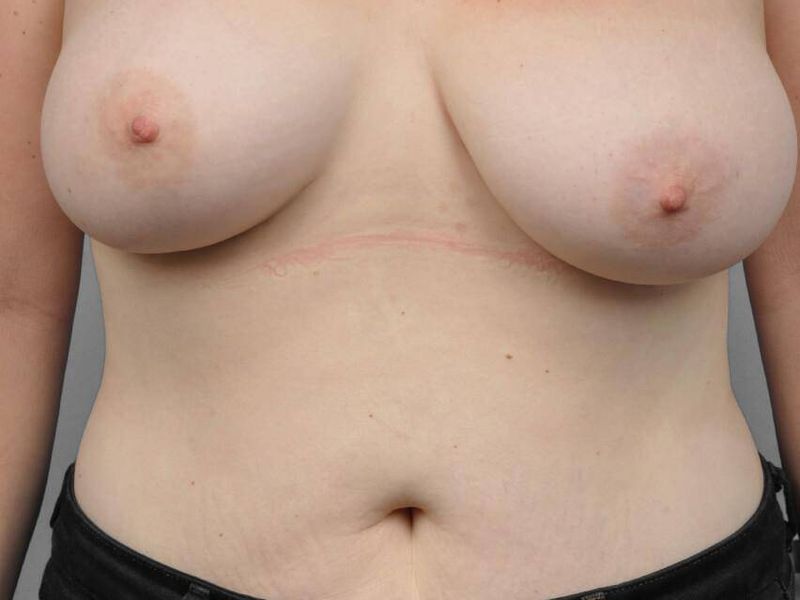
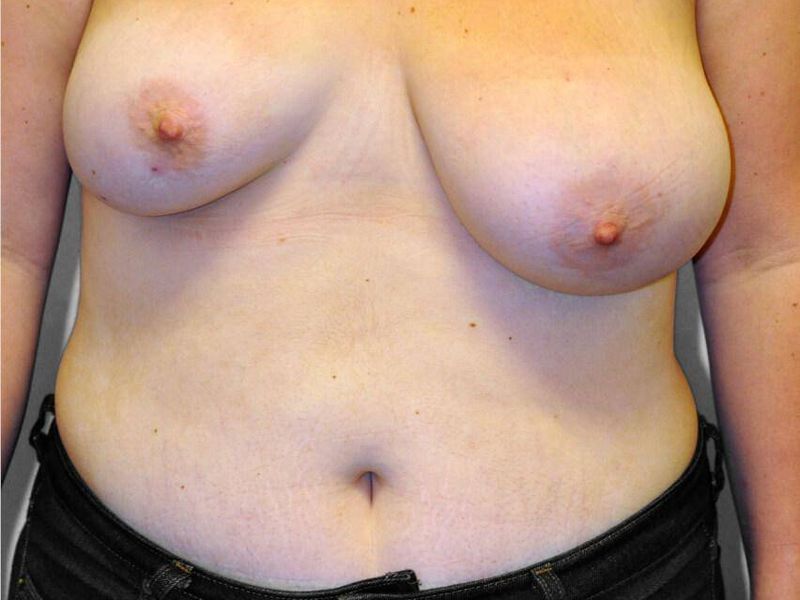
Case #1583 · Marin County, California
Fat Transfer Breast Augmentation
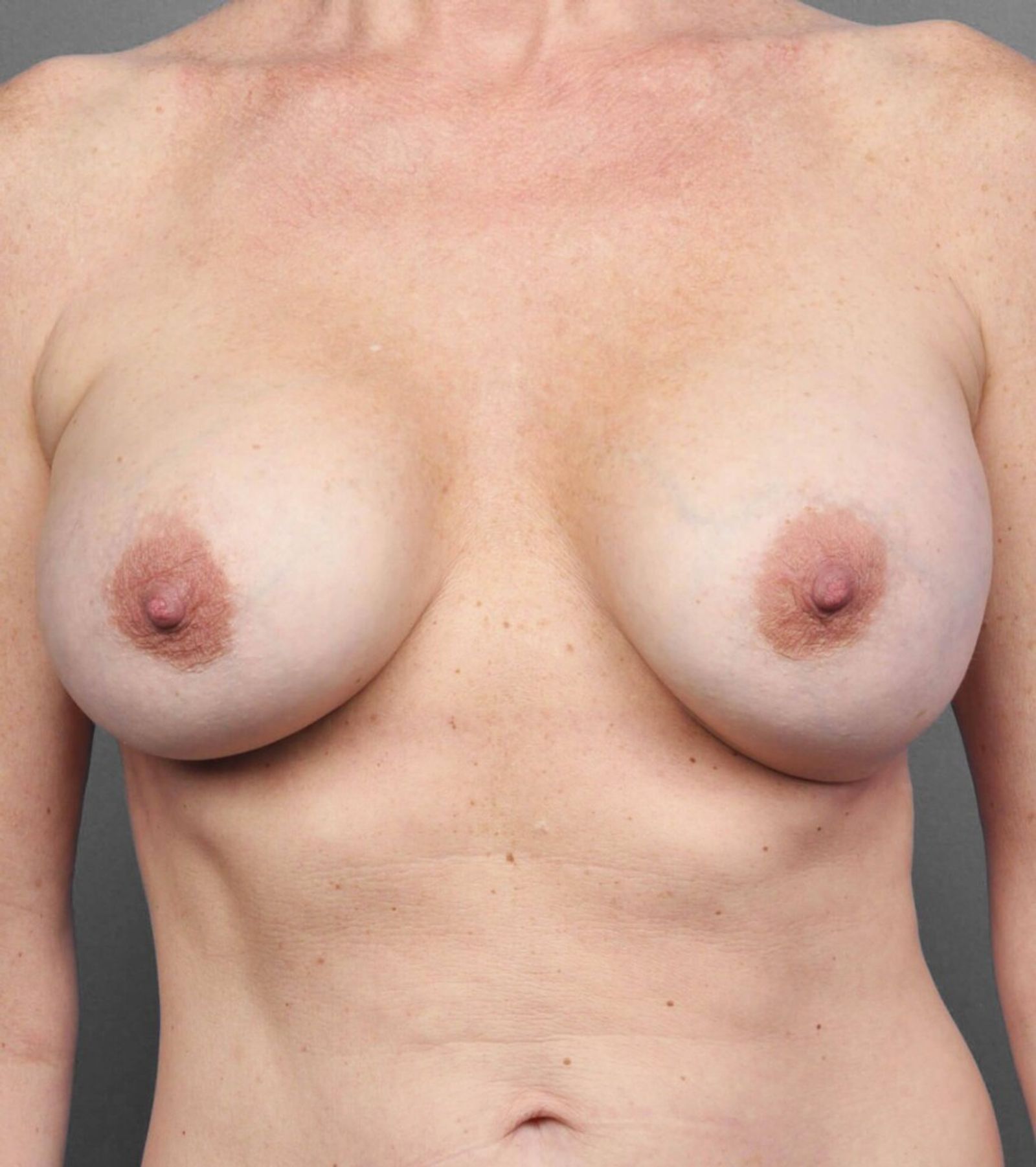
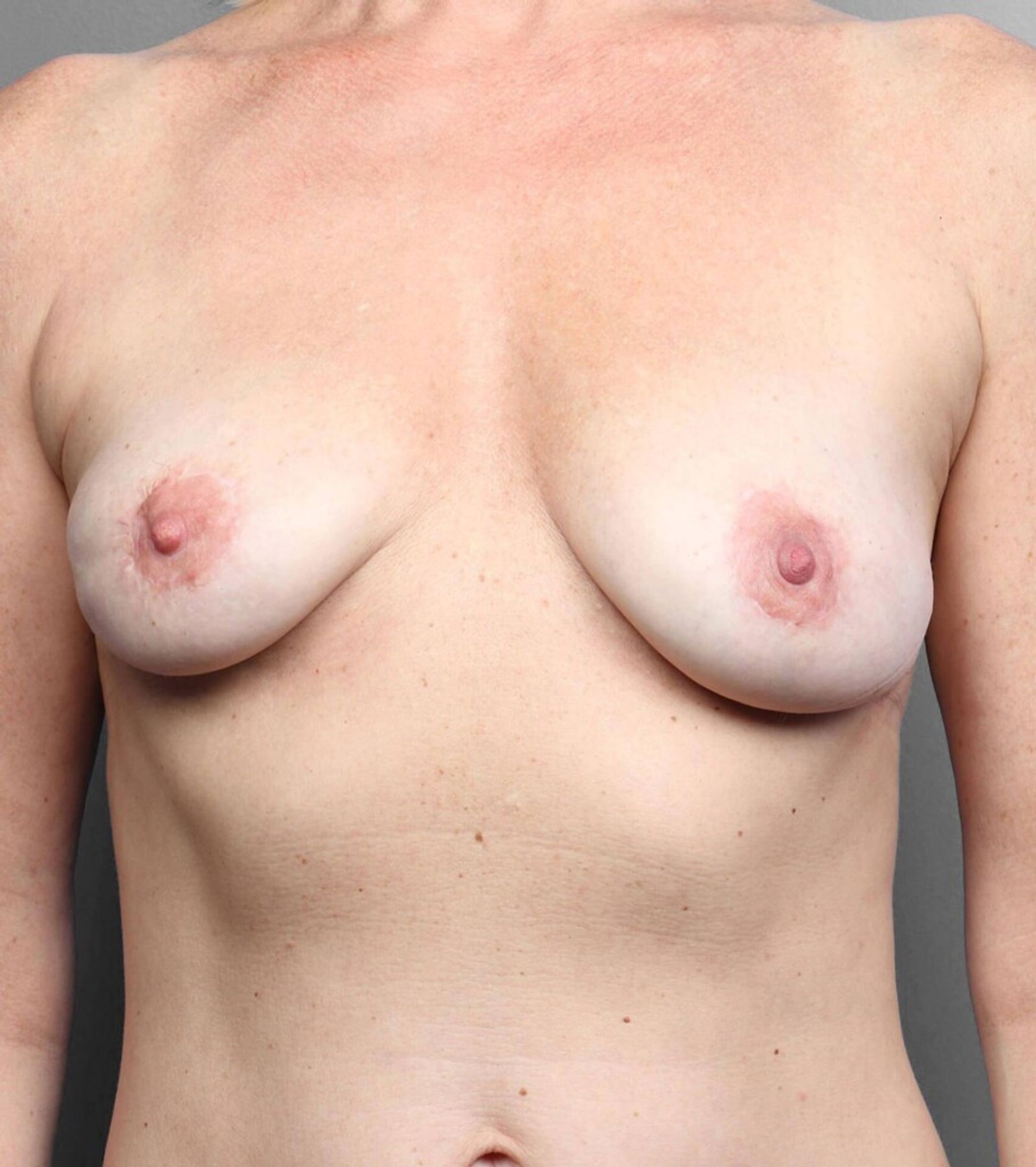
Drag the handle to compare. Click anywhere to jump.
Additional views
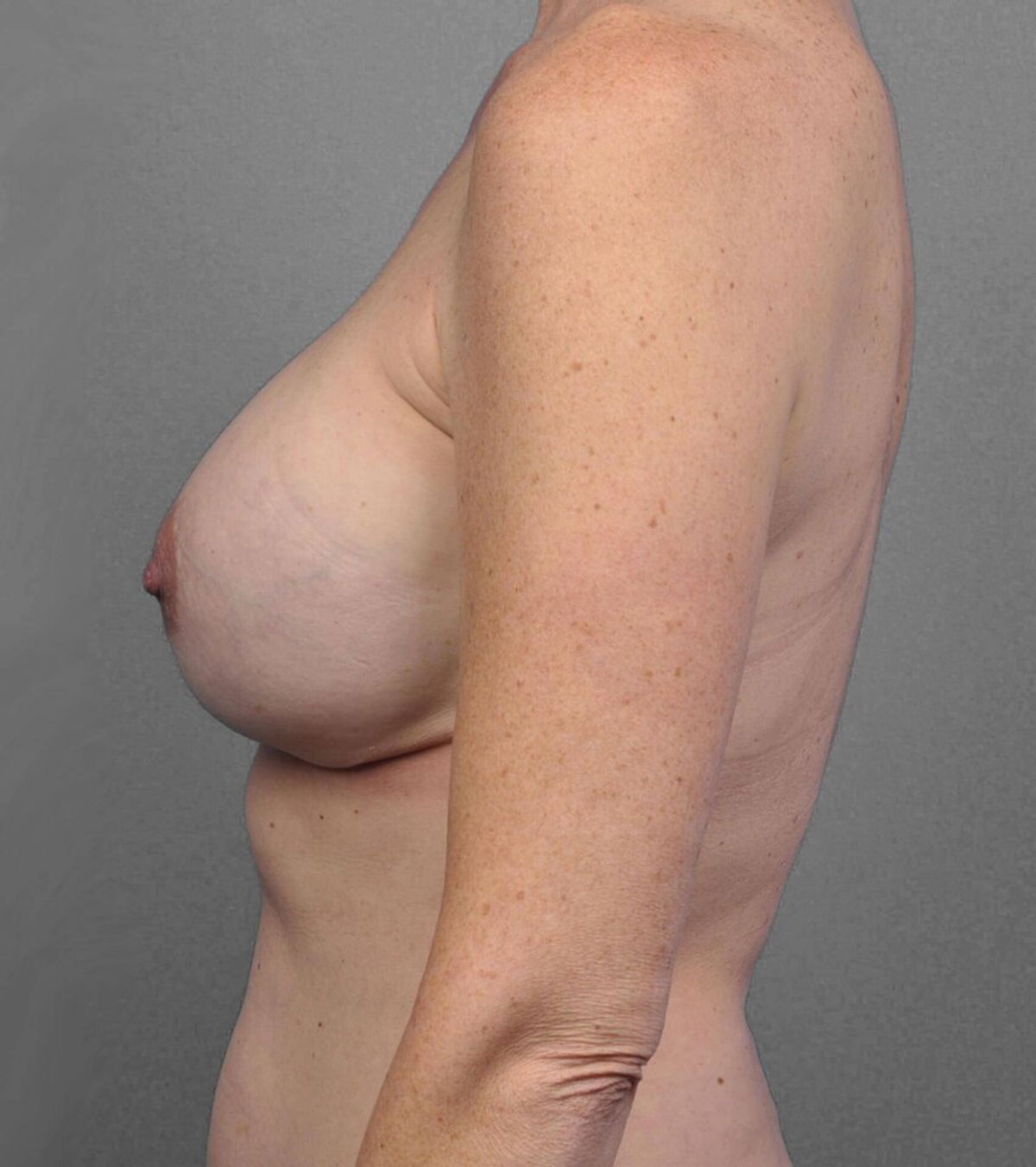
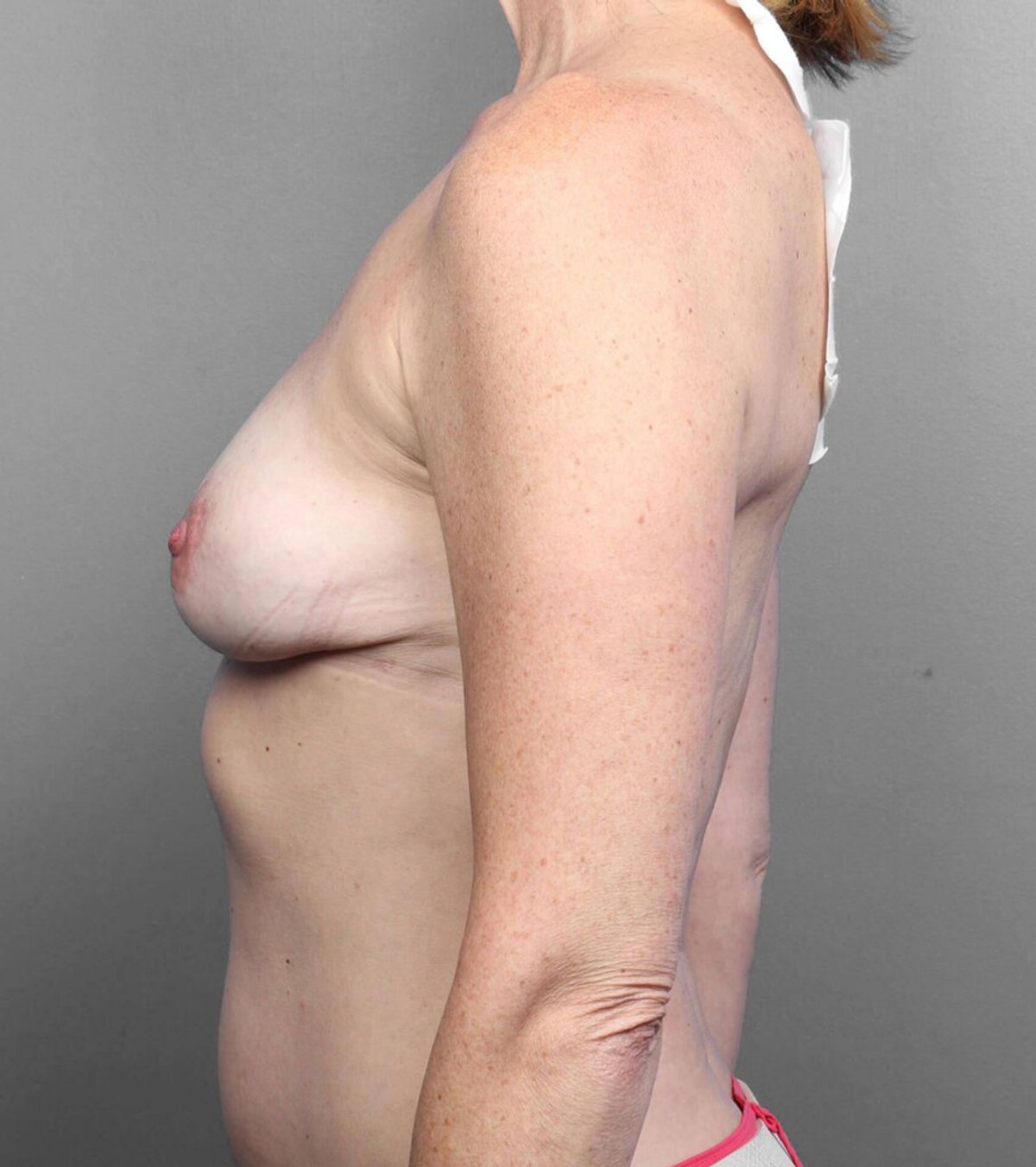
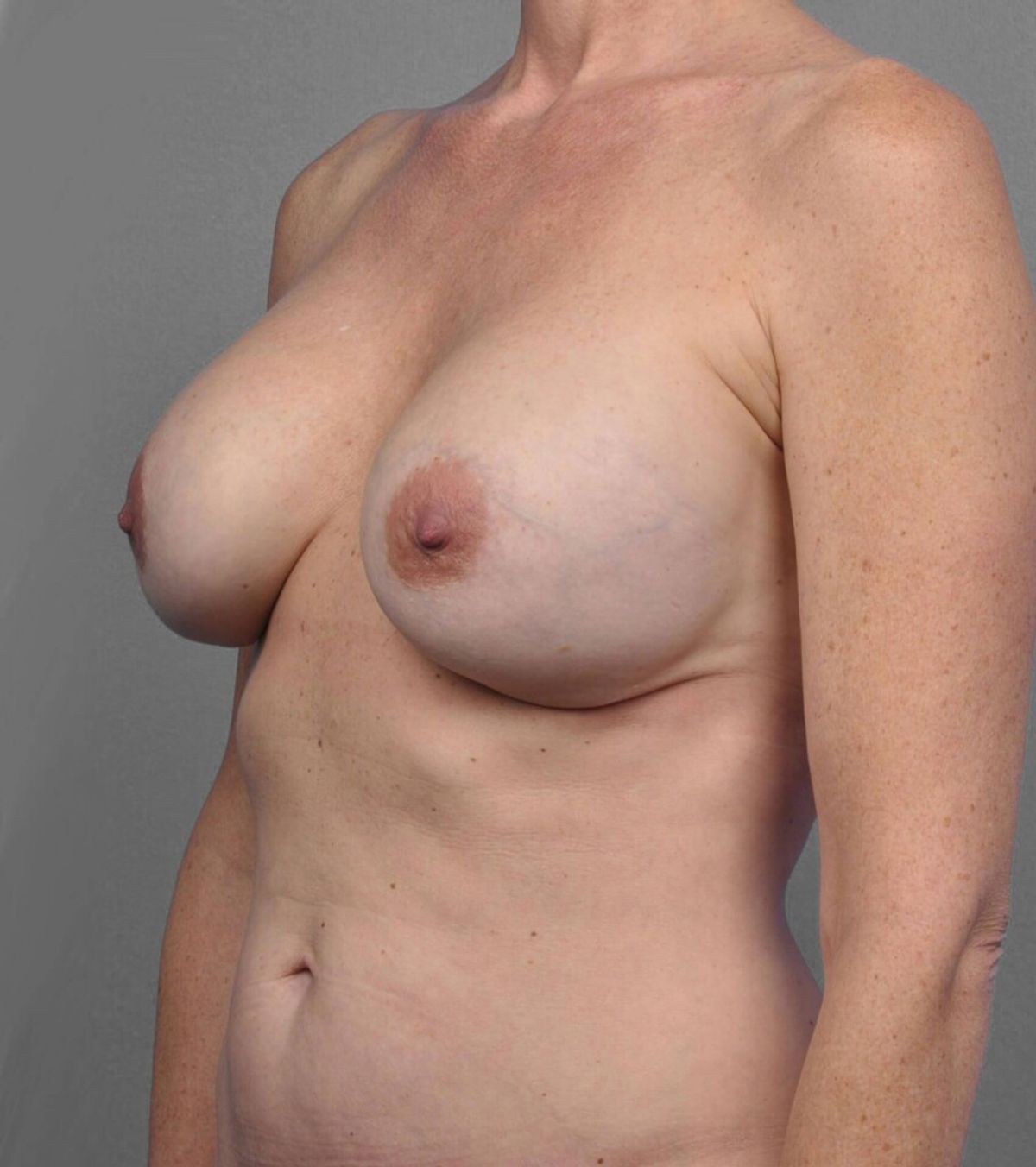
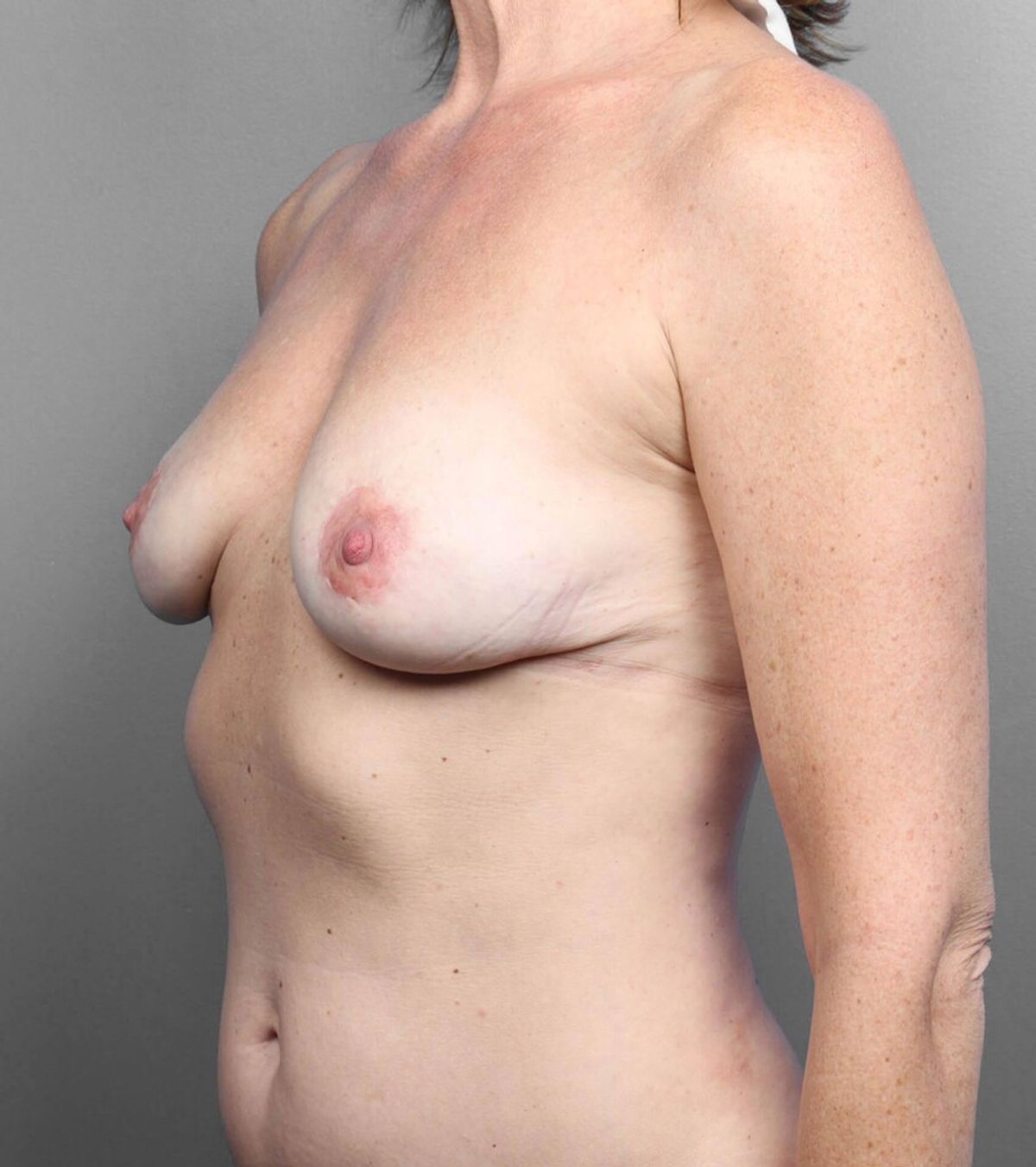
This 48-year-old patient from Marin County, California had saline implants placed in 1998, when she came to visit us, although she had no problems she had decided she had outgrown them and no longer wanted large breasts. Dr. Cassileth performed bilateral removal of breast implant
Continued care
Recommended aftercare, skincare, and MedSpa services for Fat Transfer Breast Augmentation.
- No pressure on the breasts for 3 weeks — graft survival depends on tissue contact preservation
- No bra with underwire for 6 weeks
- Walking encouraged; cardio at week 4
- Liposuction donor sites: compression garment for 4–6 weeks
- Hyperbaric Oxygen Therapy to support healing when recommended
- Hydrating body protocol on liposuction sites
- SkinCeuticals C E Ferulic on liposuction incision site scars
- Massage at donor sites starting week 3 to break down residual edema
- Hyperbaric oxygen therapy when recommended — improves fat graft survival
- Indiba radiofrequency on donor sites for tissue tightening
- LED light therapy to reduce bruising
- Aftercare
Bilateral HBOT protocol, 10–15 sessions over the first 6 weeks.
Bilateral procedures heal more reliably with sustained HBOT.
Why this approach
The decisions that shaped this surgical plan.
- Bilateral approach chosen to keep the planning, the tissue response, and the aesthetic outcome consistent between sides.
Pre-op preparation
What to do before surgery. Specific to this case.
- Stop NSAIDs, aspirin, and high-dose fish oil two weeks before surgery; the surgical team provides a full medication list at the pre-op visit.
- Full nicotine cessation 6 weeks pre- and post-op. This includes vapes and nicotine replacement products; the constriction effect is the same.
- Front-closing clothing only for 3 weeks. Drain holders and supportive surgical bras are issued at discharge.
- Confirm a driver for surgery day and a companion who can stay through the first night.
Recovery timeline
Milestones specific to this case. Individual recovery varies.
- Day 1–7
Both sides healing in parallel means the early phase is quieter, short walks, full rest periods, and no driving until off pain medication.
- Week 2
Walking distance doubles. Showering rules relax. Compression garments transition to the long-wear schedule.
- Week 4
Most patients back to gym cardio at 50 percent intensity. Scar massage protocol begins. Driving restored if not already.
- Week 6
The "back to normal" week for most patients. Final compression schedule transitions to optional.
- Month 3
Most patients consider this the "final result emerges" milestone. The remaining 10 percent of refinement plays out through month 6.