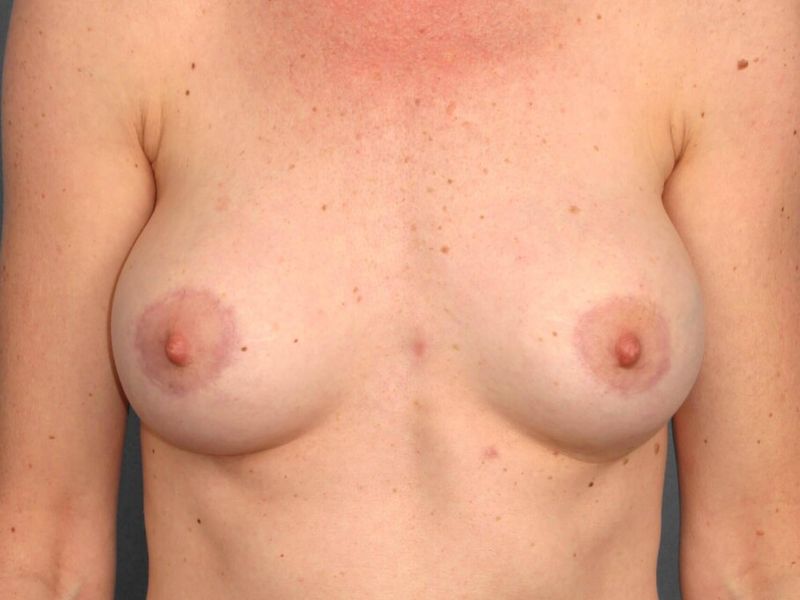
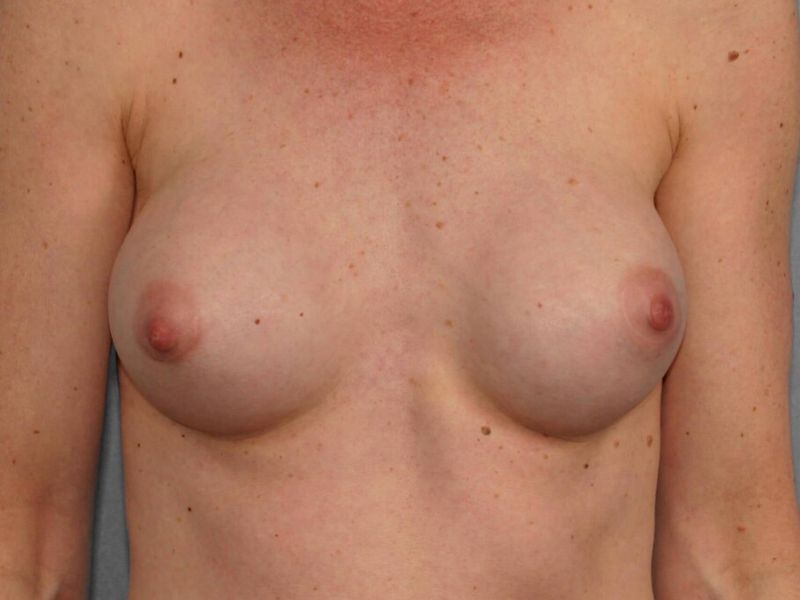
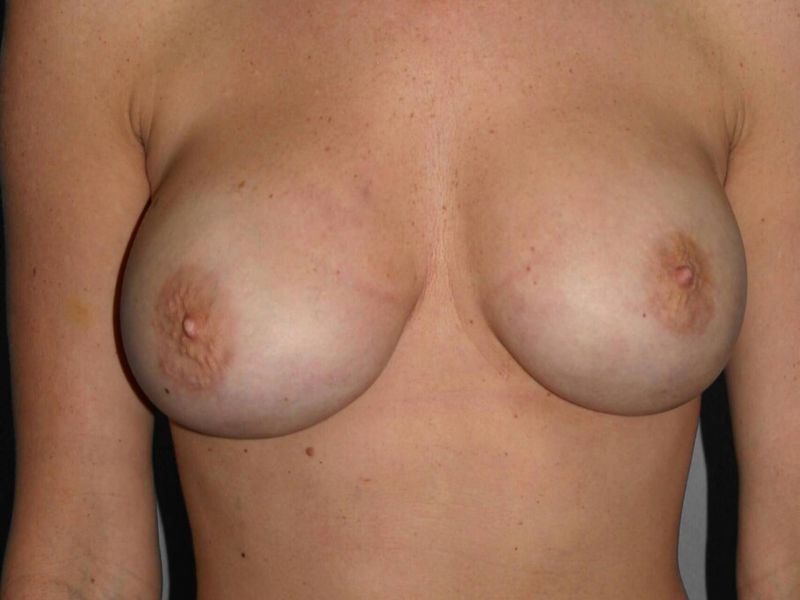
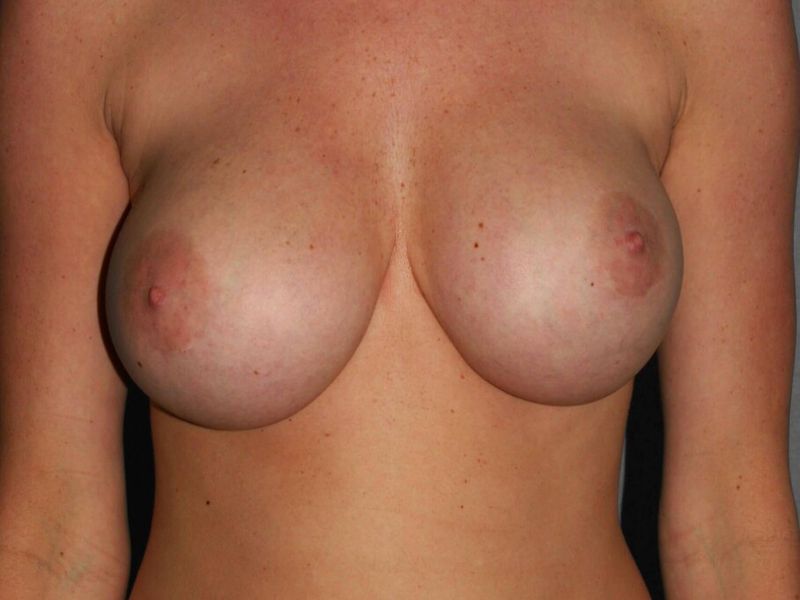
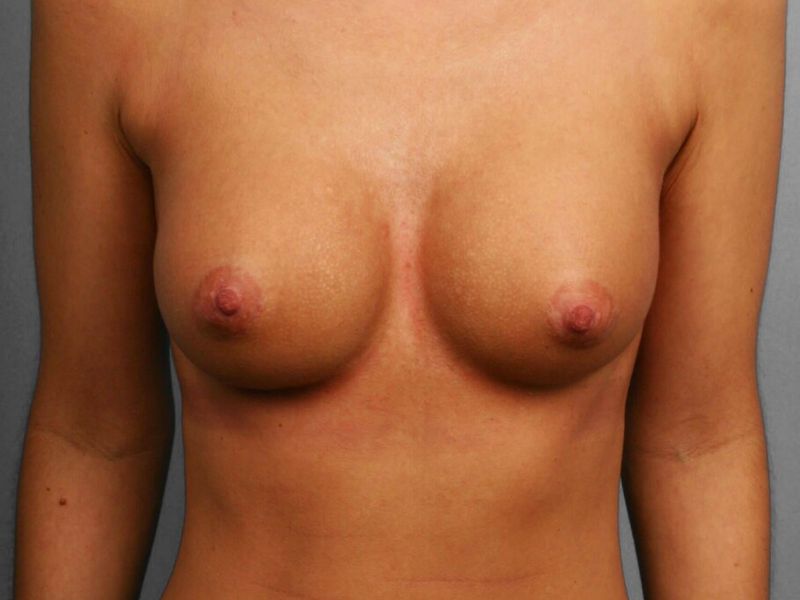
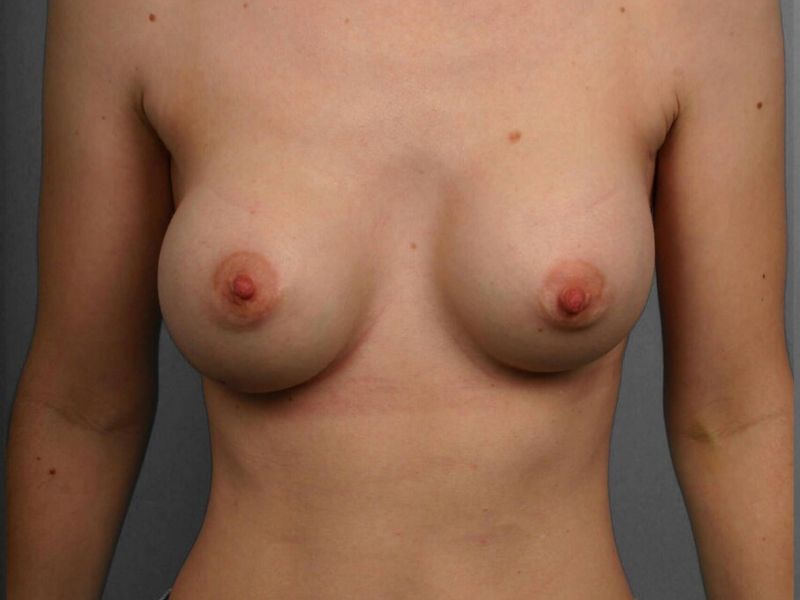
Case #1478 · Marina Del Rey, CA
Breast Implant Replacement
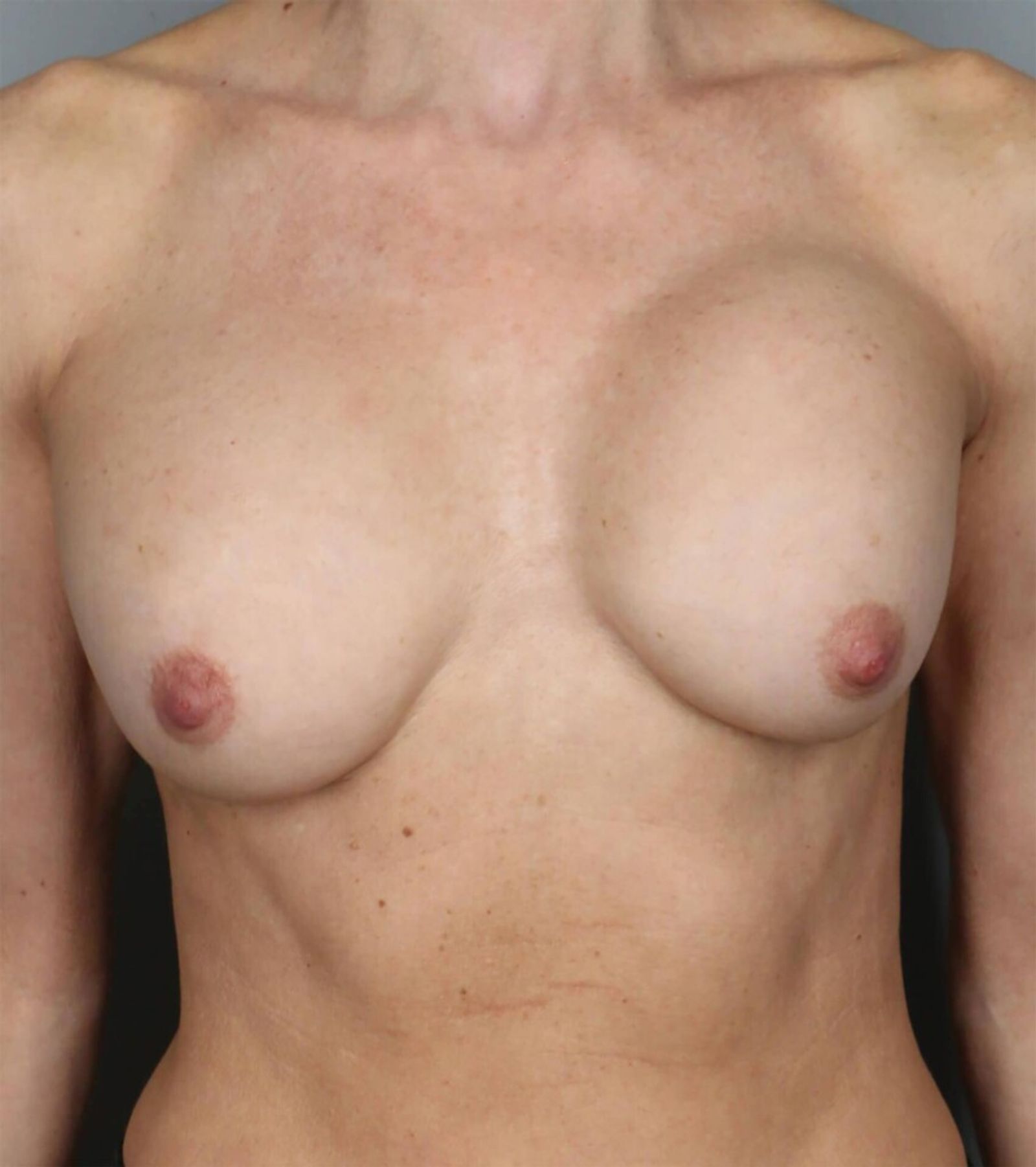
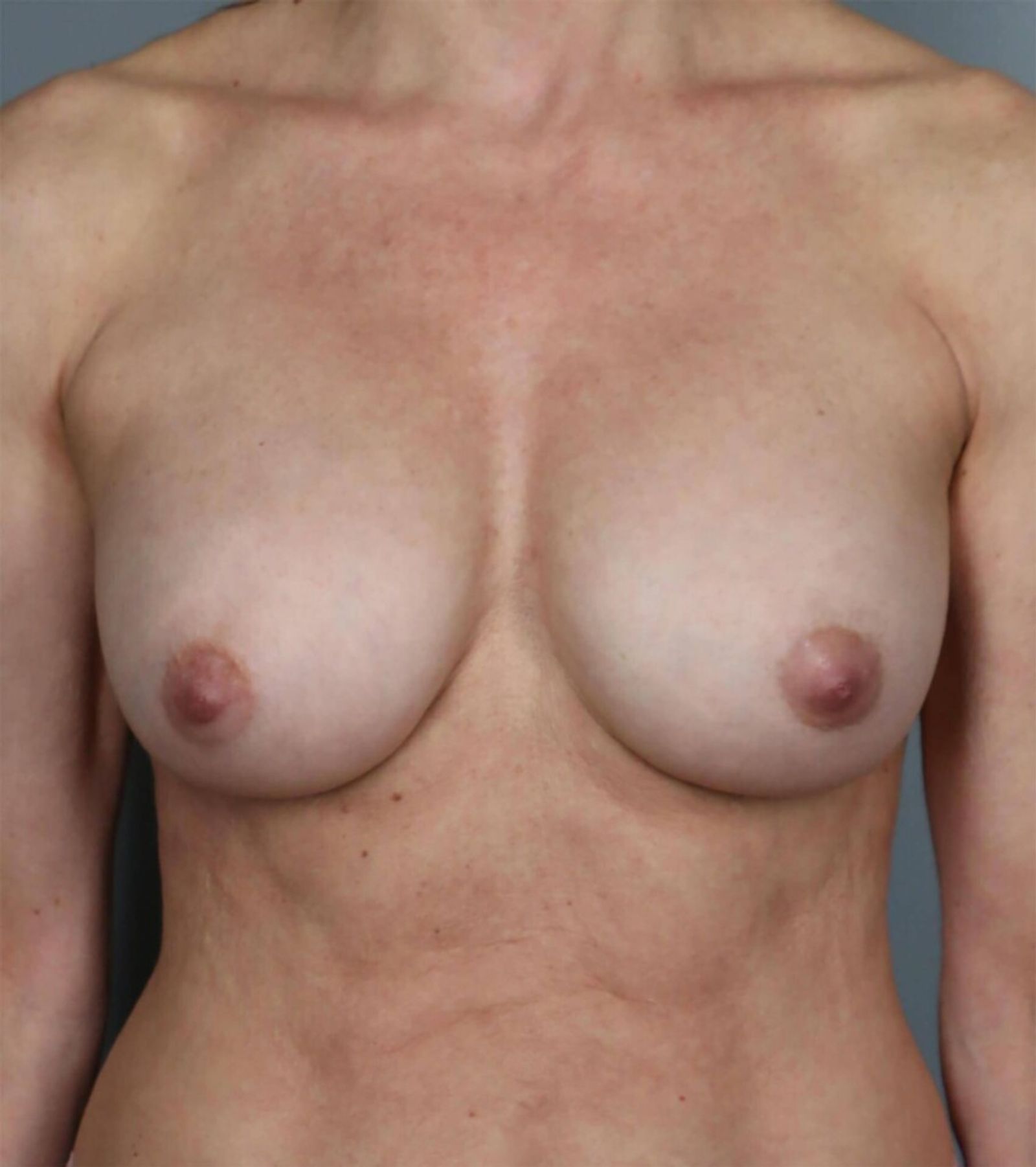
Drag the handle to compare. Click anywhere to jump.
Additional views
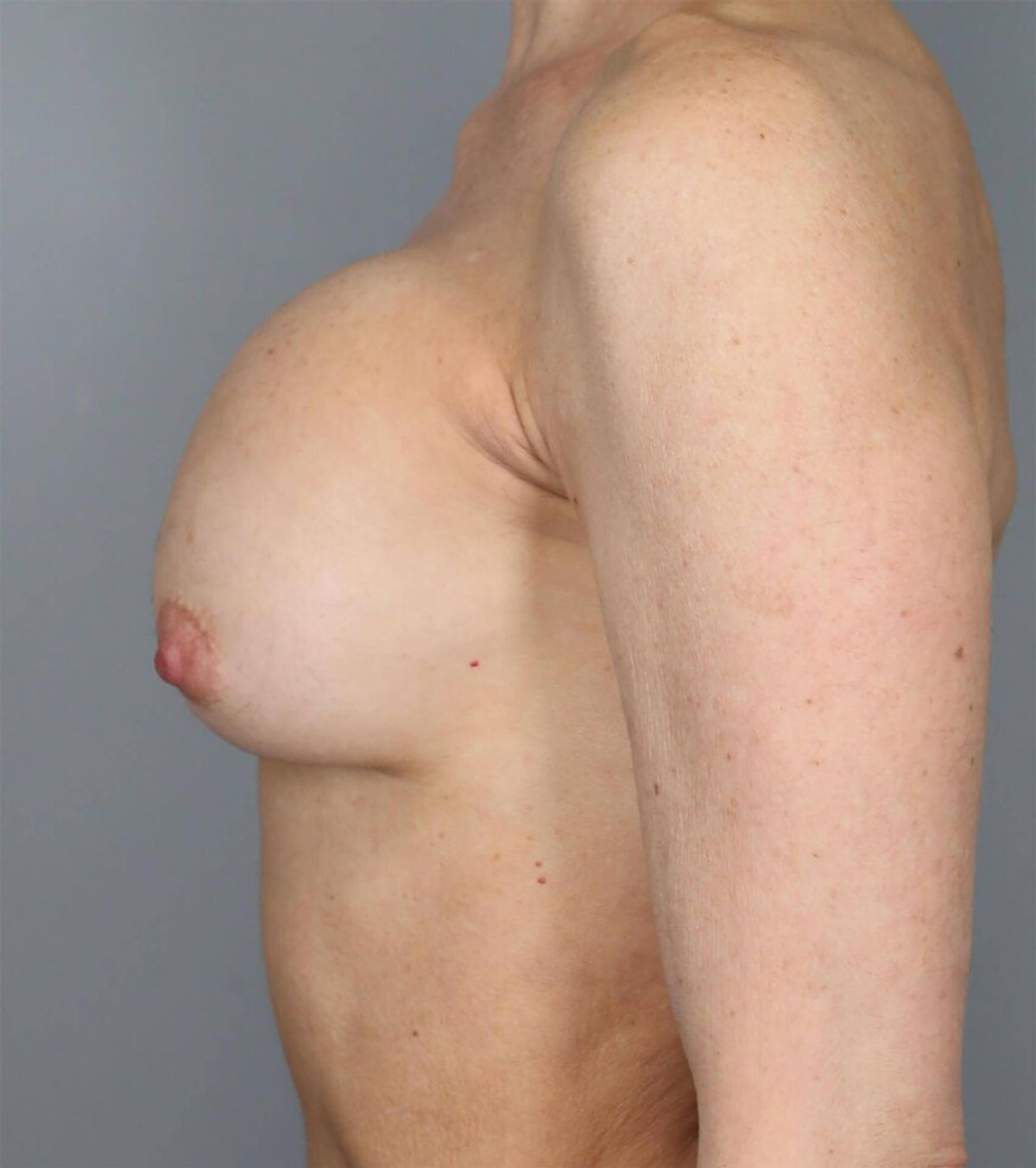
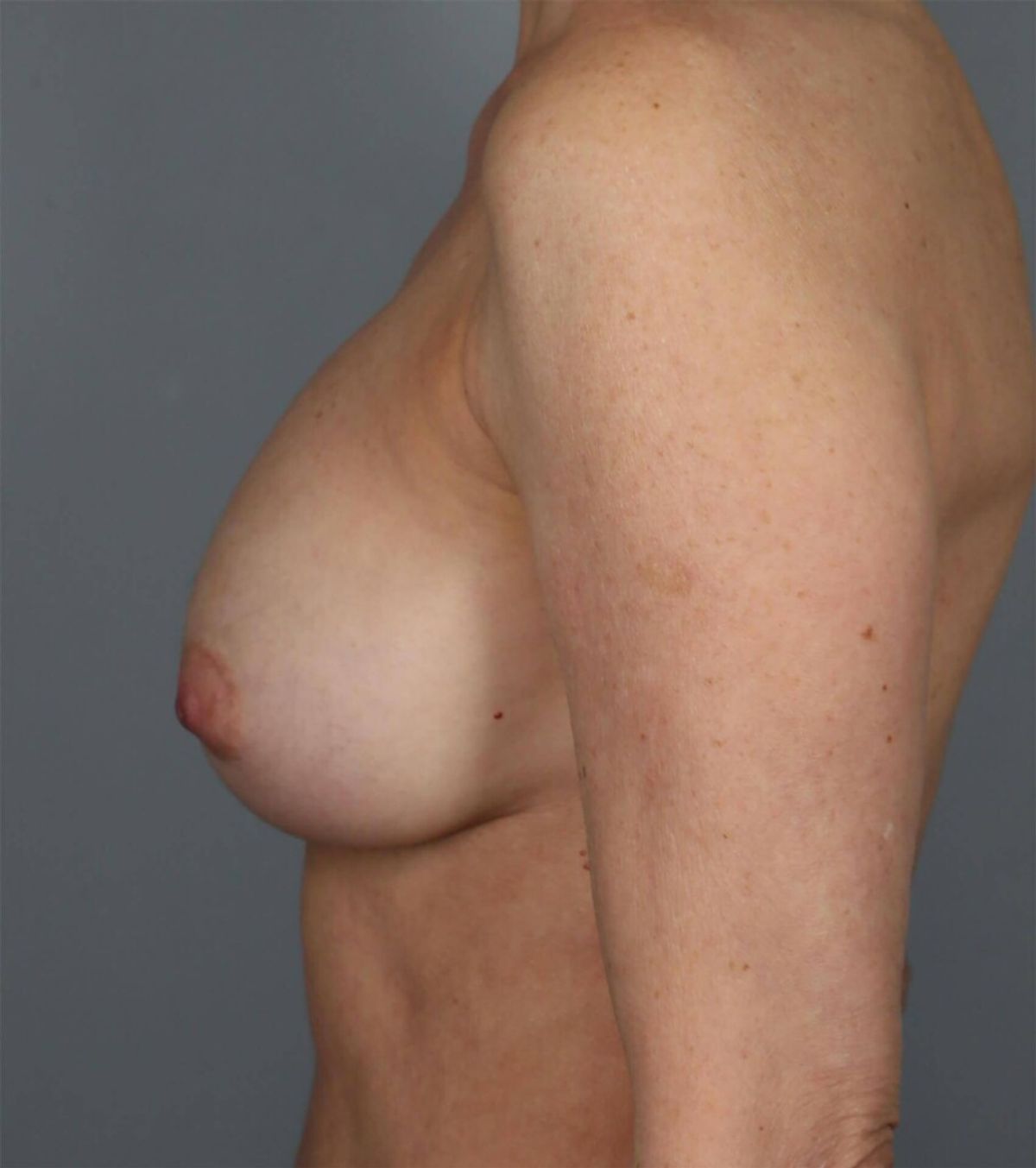
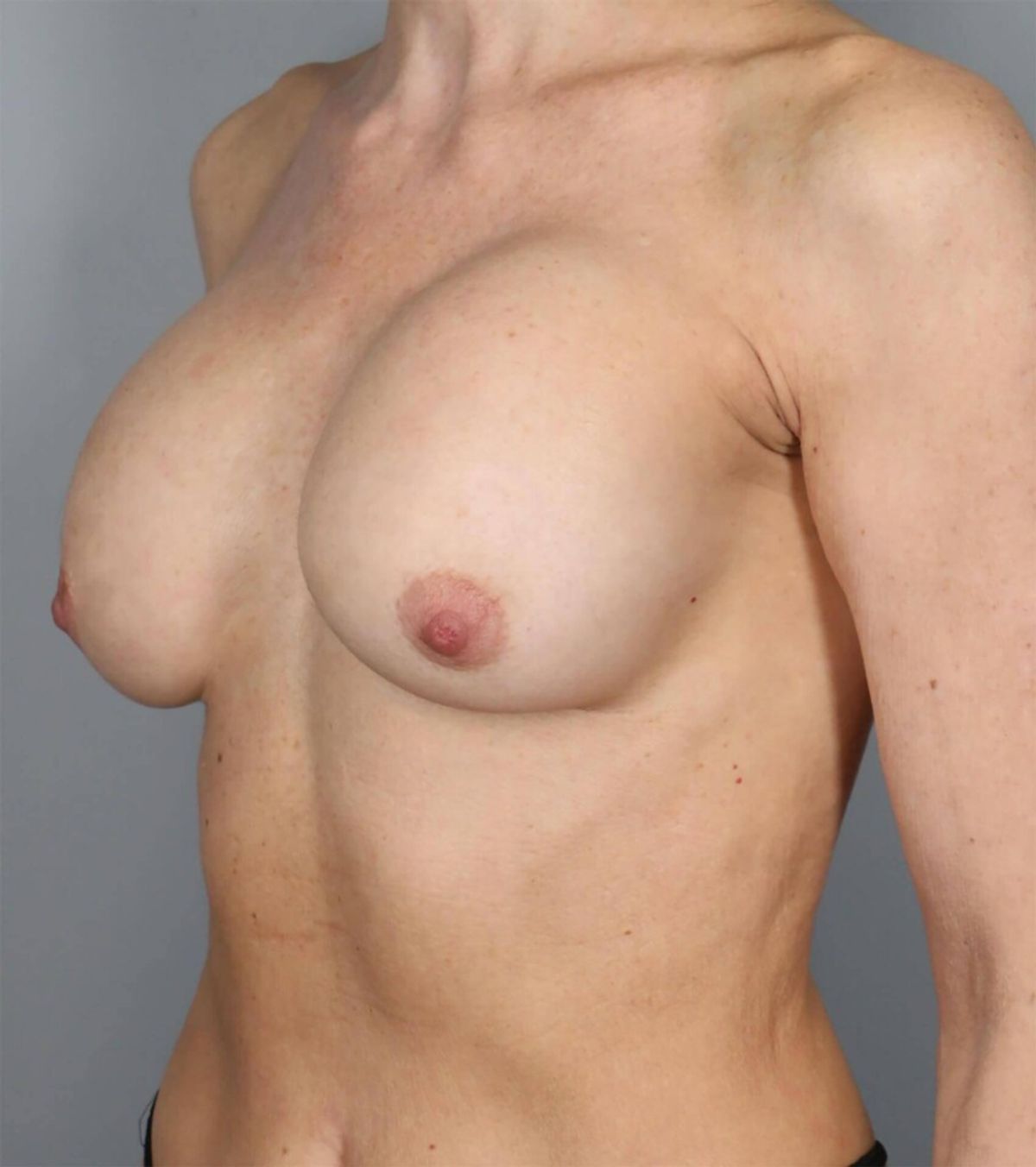
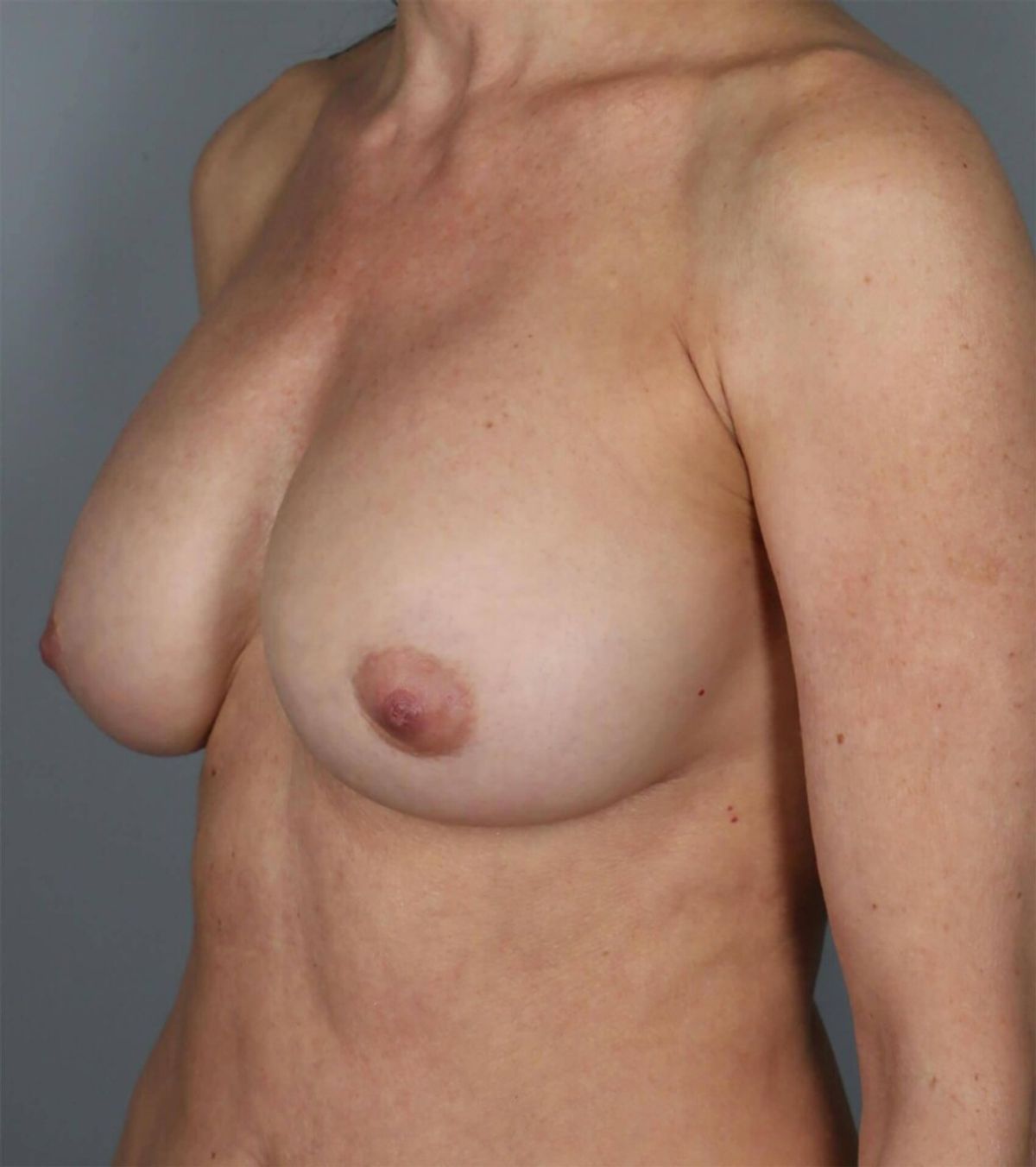
This 63-year-old patient from Marina Del Rey, CA has a history of severe capsular contracture and ruptured breasts implants. Dr. Cassileth performed bilateral implant removal and replacement, full capsulectomy, pectoralis muscle r
Continued care
Recommended aftercare, skincare, and MedSpa services for Breast Implant Replacement.
- Compression bra continuously for 4 weeks
- No upper-body resistance training for 6 weeks
- Scar management at 3 weeks if existing scar is revised
- Hyperbaric oxygen therapy when recommended for revision cases
- Medical-grade silicone sheeting on the inframammary incision
- SkinCeuticals C E Ferulic for scar healing
- SPF 50+ on incisions for 12 months
- Laser or microneedling for scar refinement after 3 months
- LED light therapy for swelling reduction
- Indiba radiofrequency for tissue recovery
- Aftercare
Bilateral HBOT protocol, 10–15 sessions over the first 6 weeks.
Bilateral procedures heal more reliably with sustained HBOT.
- Aftercare
Tissue rest extended by 2 weeks before scar treatments begin.
Revised tissue tolerates active treatment less well than primary cases.
- Skincare
Extended scar protocol (silicone + paper-tape compression) runs through month 3.
Revised scars respond best to sustained, layered pressure therapy.
- Aftercare
Activity progression coordinated with PT, formal check-in scheduled for week 4.
Older patients benefit from a guided return-to-activity plan.
Why this approach
The decisions that shaped this surgical plan.
- Revision planning starts with the previous result. Existing scars, tissue thickness, and the original technique determine what can be improved and what is locked.
- Bilateral approach chosen to keep the planning, the tissue response, and the aesthetic outcome consistent between sides.
Pre-op preparation
What to do before surgery. Specific to this case.
- Discontinue blood thinners (NSAIDs, aspirin, fish oil, vitamin E) two weeks out. Acetaminophen remains safe; the full list is reviewed at pre-op.
- Full nicotine cessation 6 weeks pre- and post-op. This includes vapes and nicotine replacement products; the constriction effect is the same.
- Front-closing clothing only for 3 weeks. Drain holders and supportive surgical bras are issued at discharge.
- Confirm a driver for surgery day and a companion who can stay through the first night.
- Medical clearance and a current EKG are obtained pre-op. Anesthesia review confirms any chronic-condition adjustments.
Recovery timeline
Milestones specific to this case. Individual recovery varies.
- Day 1–7
First week is the strictest activity window. Bilateral cases benefit most from staying ahead of swelling with consistent icing and rest.
- Week 2
Activity ramps up cautiously: longer walks, no lifting yet. Most patients return to desk work this week.
- Week 4
Activity ramps slower than average. PT check-in at week 4 anchors the next phase.
- Week 6
Standard clearance milestone. Patients return to most exercise, gym work, and sleeping in any position.
- Month 3
Tissue softens, scars begin to fade, and overall shape settles toward final. Scar maturation continues for another 6 months.
- Month 6
Revised tissue softens on a longer timeline. Final shape and scar appearance continue to mature through month 12.