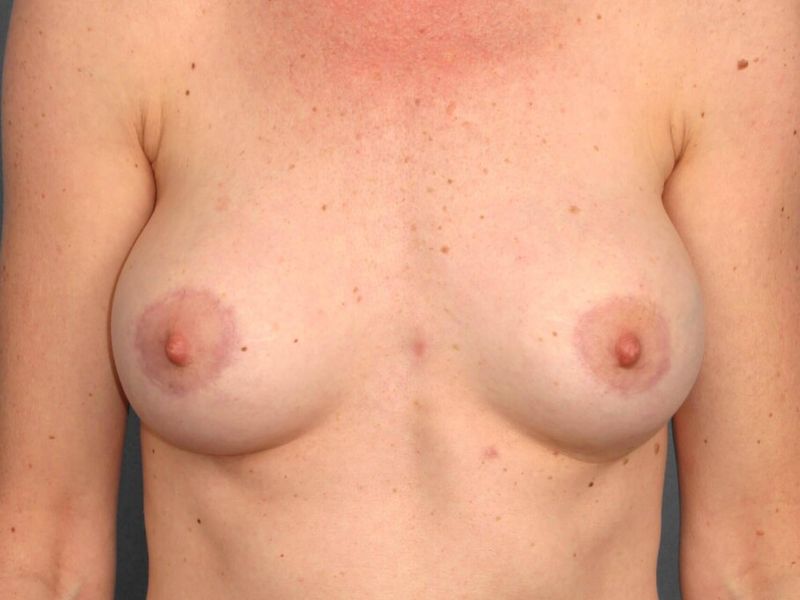
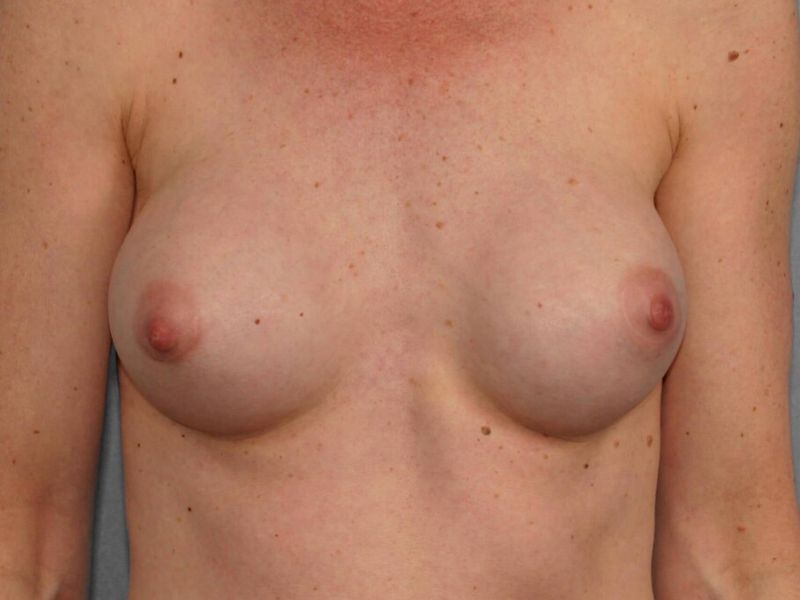
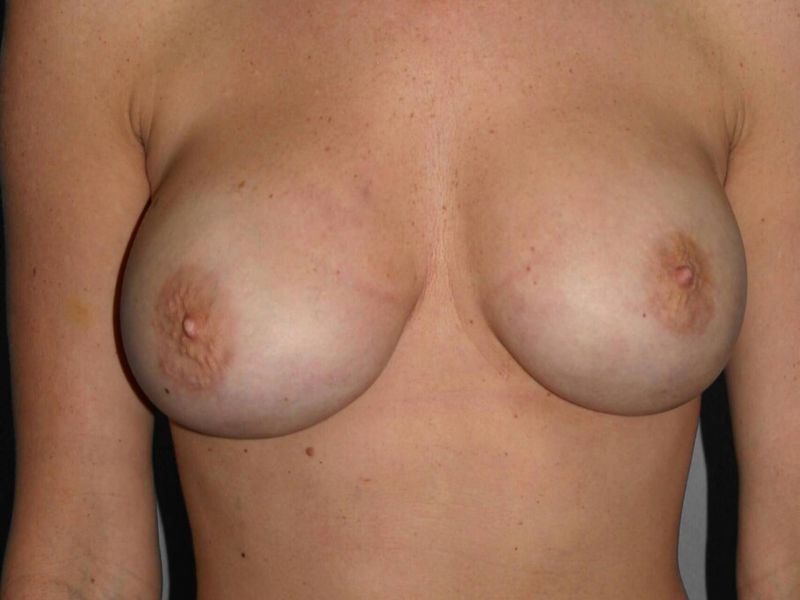
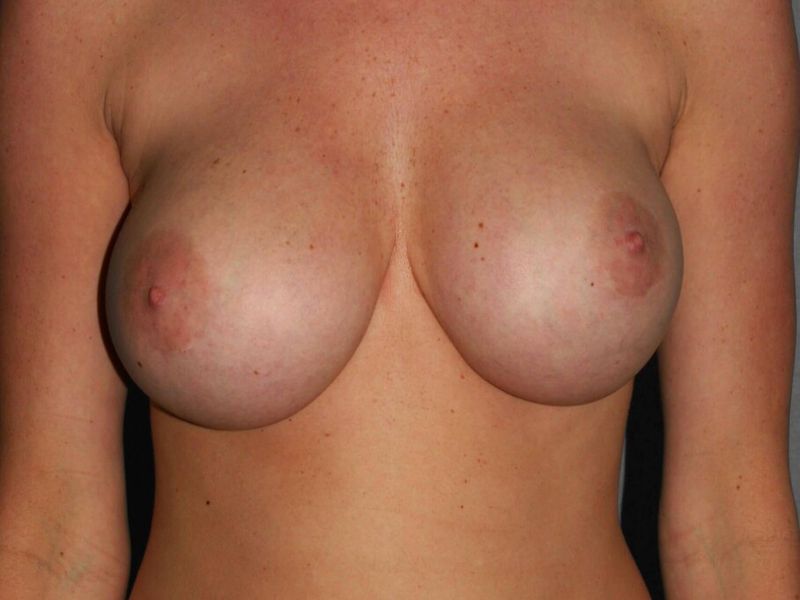
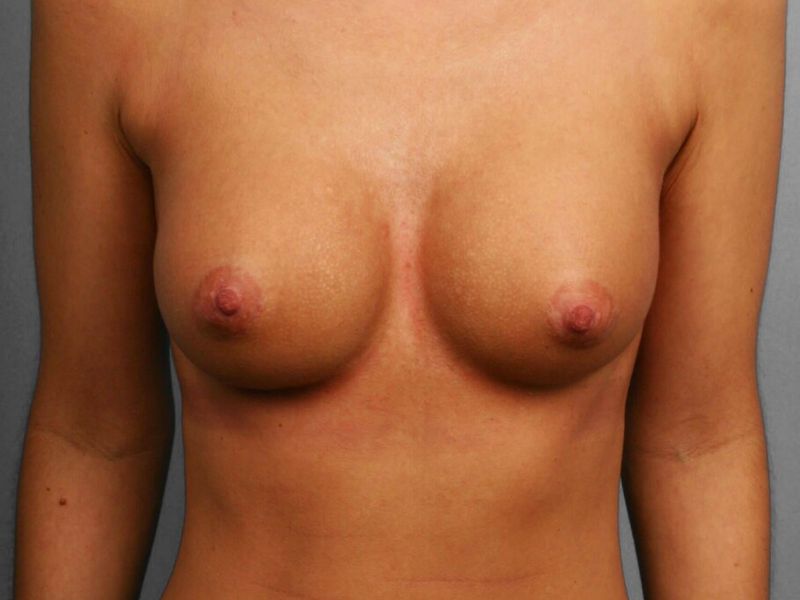
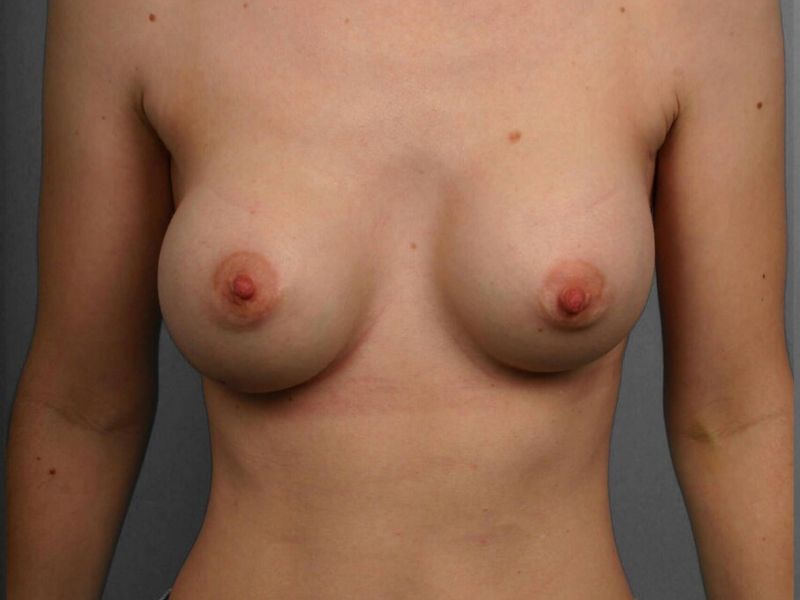
Case #1473 · Sherman Oaks, CA
Breast Implant Replacement
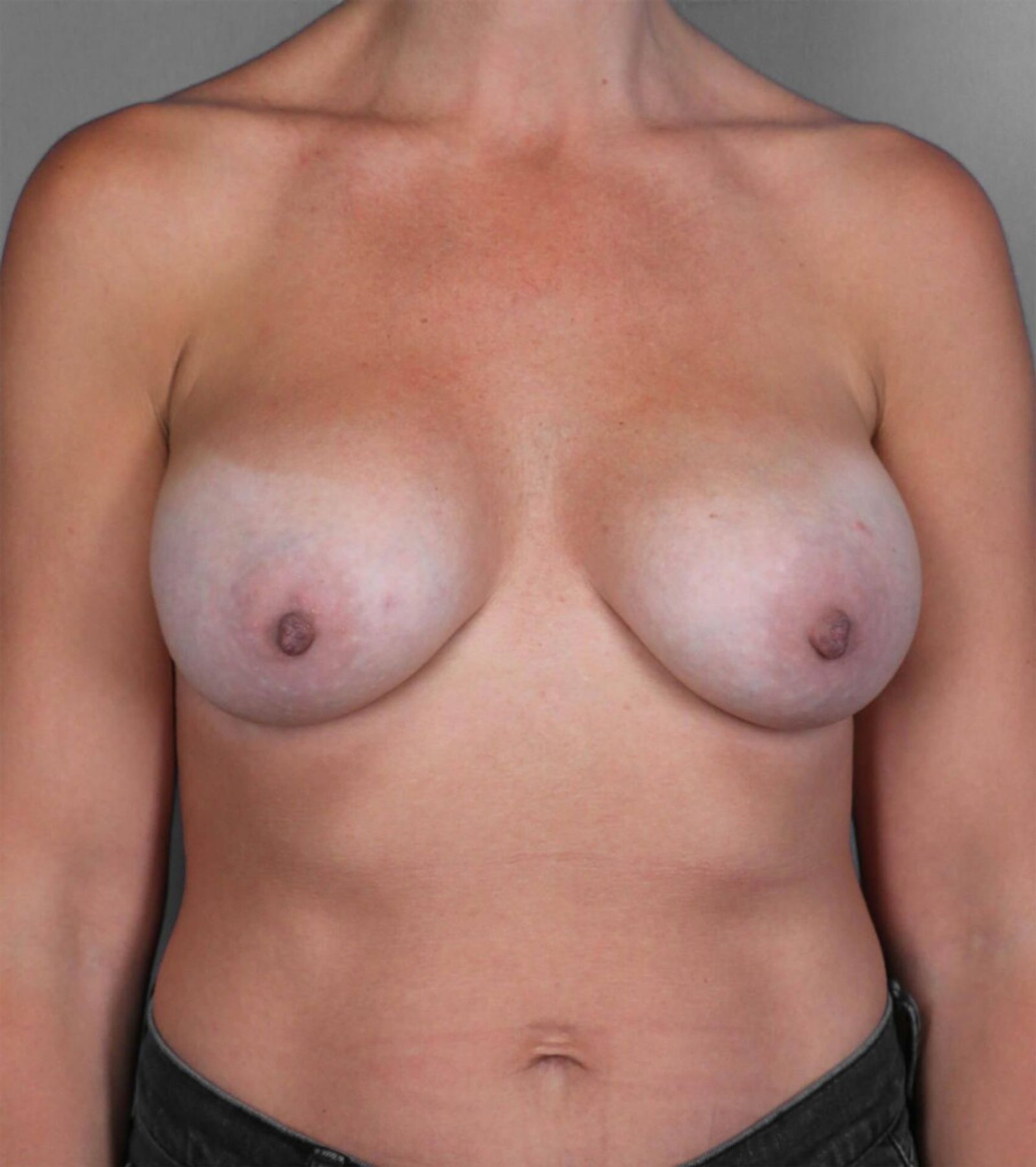
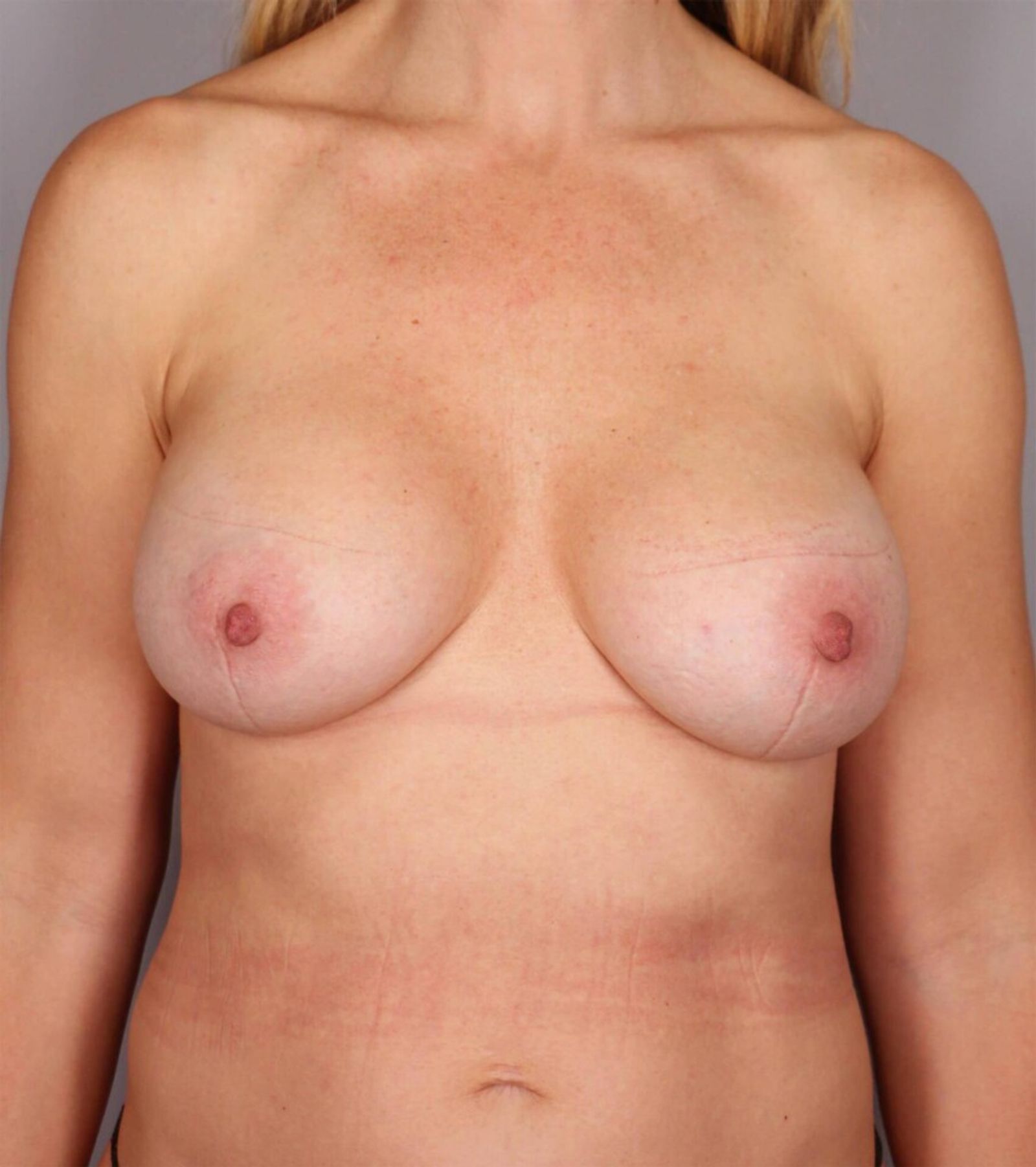
Drag the handle to compare. Click anywhere to jump.
Additional views
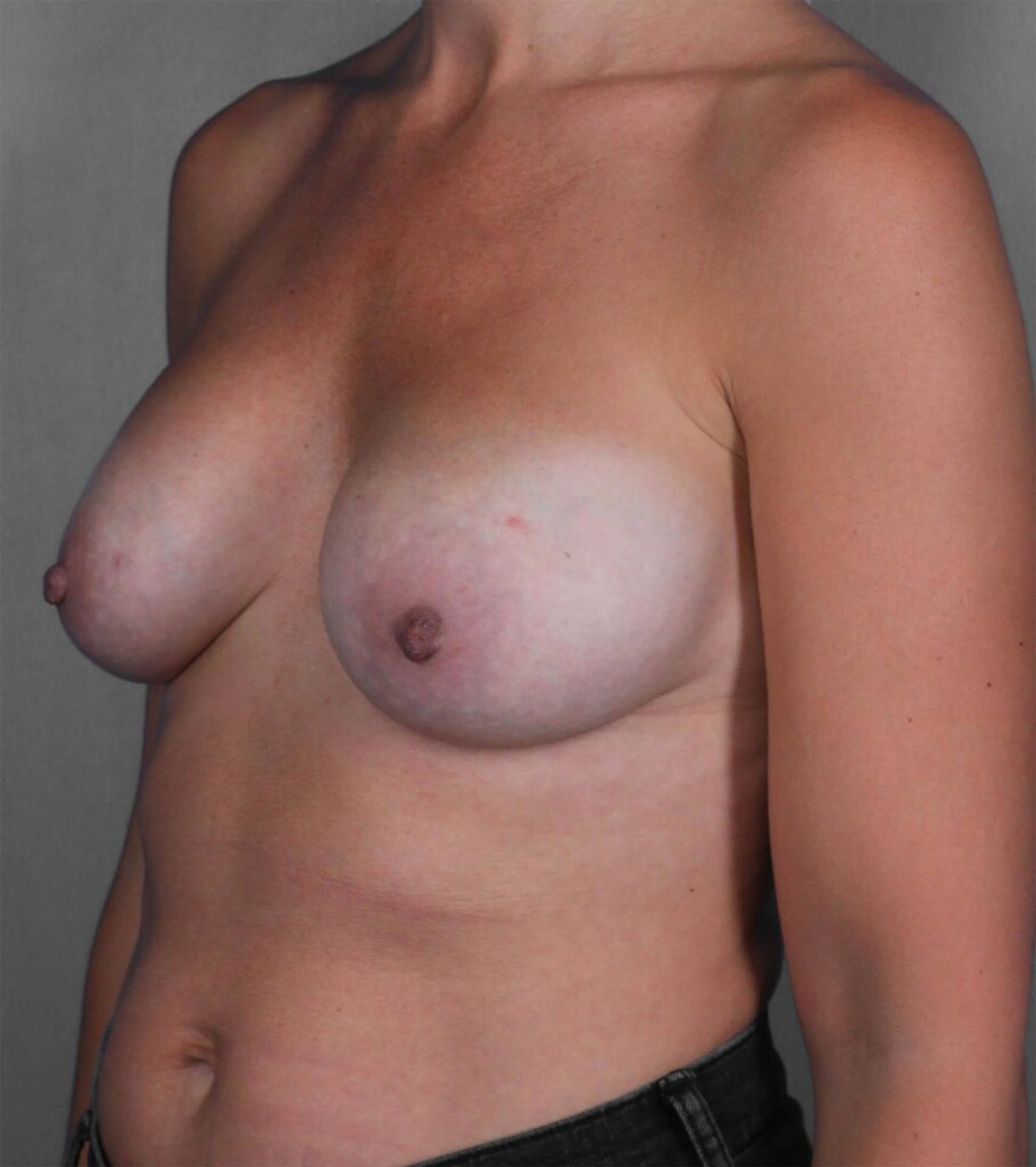
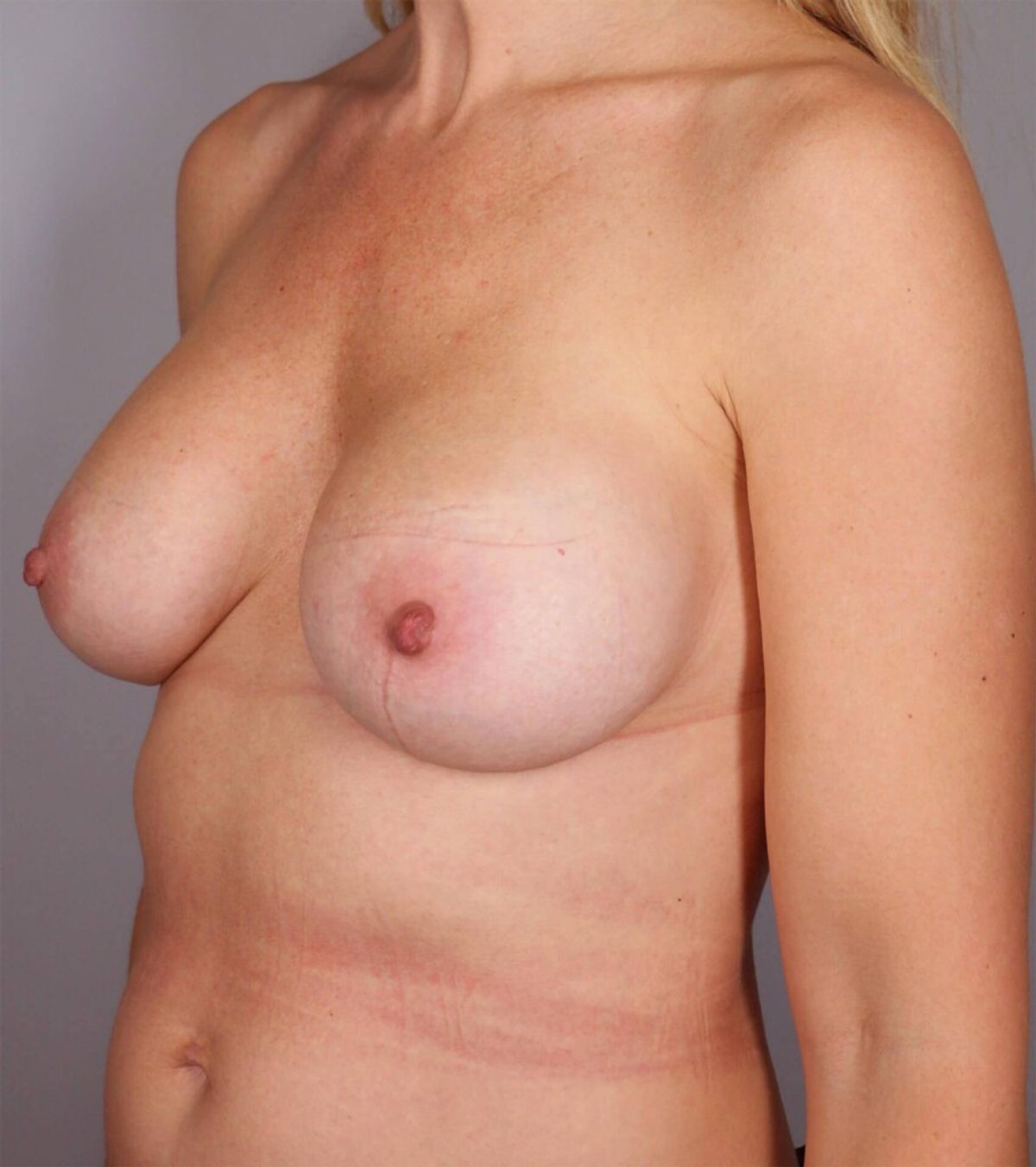
This 38-year-old patient from Sherman Oaks, CA wanted her implants replaced and to go up in size after losing shape due to breast feeding. Dr. Cassileth performed a bilateral removal and replacement for added volume and improved sy
Continued care
Recommended aftercare, skincare, and MedSpa services for Breast Implant Replacement.
- Compression bra continuously for 4 weeks
- No upper-body resistance training for 6 weeks
- Scar management at 3 weeks if existing scar is revised
- Hyperbaric oxygen therapy when recommended for revision cases
- Medical-grade silicone sheeting on the inframammary incision
- SkinCeuticals C E Ferulic for scar healing
- SPF 50+ on incisions for 12 months
- Laser or microneedling for scar refinement after 3 months
- LED light therapy for swelling reduction
- Indiba radiofrequency for tissue recovery
- Aftercare
Hyperbaric oxygen series extended to 10–15 sessions for bilateral tissue support.
Bilateral procedures heal more reliably with sustained HBOT.
- Aftercare
Tissue rest extended by 2 weeks before scar treatments begin.
Revised tissue tolerates active treatment less well than primary cases.
- Skincare
Extended scar protocol (silicone + paper-tape compression) runs through month 3.
Revised scars respond best to sustained, layered pressure therapy.
- Skincare
Sun avoidance and SPF protocol extended through month 12 to minimize scar hyperpigmentation.
Younger skin pigments scars more reliably under sun exposure.
Why this approach
The decisions that shaped this surgical plan.
- Revision case, prior tissue patterns, scar locations, and anatomical changes from the first procedure all factored into the surgical plan.
- Bilateral approach chosen to keep the planning, the tissue response, and the aesthetic outcome consistent between sides.
Pre-op preparation
What to do before surgery. Specific to this case.
- Aspirin, ibuprofen, vitamin E, and fish oil discontinued 14 days pre-op to reduce bruising risk. Acetaminophen is allowed.
- No nicotine for 6 weeks before through 6 weeks after surgery. The vascular impact directly affects skin healing.
- Front-closing clothing only for 3 weeks. Drain holders and supportive surgical bras are issued at discharge.
- A driver is required the day of surgery and a responsible adult should stay with you the first 24 hours.
Recovery timeline
Milestones specific to this case. Individual recovery varies.
- Day 1–7
Bilateral healing takes a slower start. Expect more chest-wall fatigue through day 5 and a stricter no-lifting rule for the first 10 days.
- Week 2
Activity ramps up cautiously: longer walks, no lifting yet. Most patients return to desk work this week.
- Week 4
Light cardio and most desk-work activities cleared. Lifting limit increases to 15 lb. Scar massage typically starts now.
- Week 6
The "back to normal" week for most patients. Final compression schedule transitions to optional.
- Month 3
Most patients consider this the "final result emerges" milestone. The remaining 10 percent of refinement plays out through month 6.
- Month 6
Final shape continues to settle. Revised areas commonly look their best between months 9 and 12.