Case #1364
Fat Grafting Breast Reconstruction
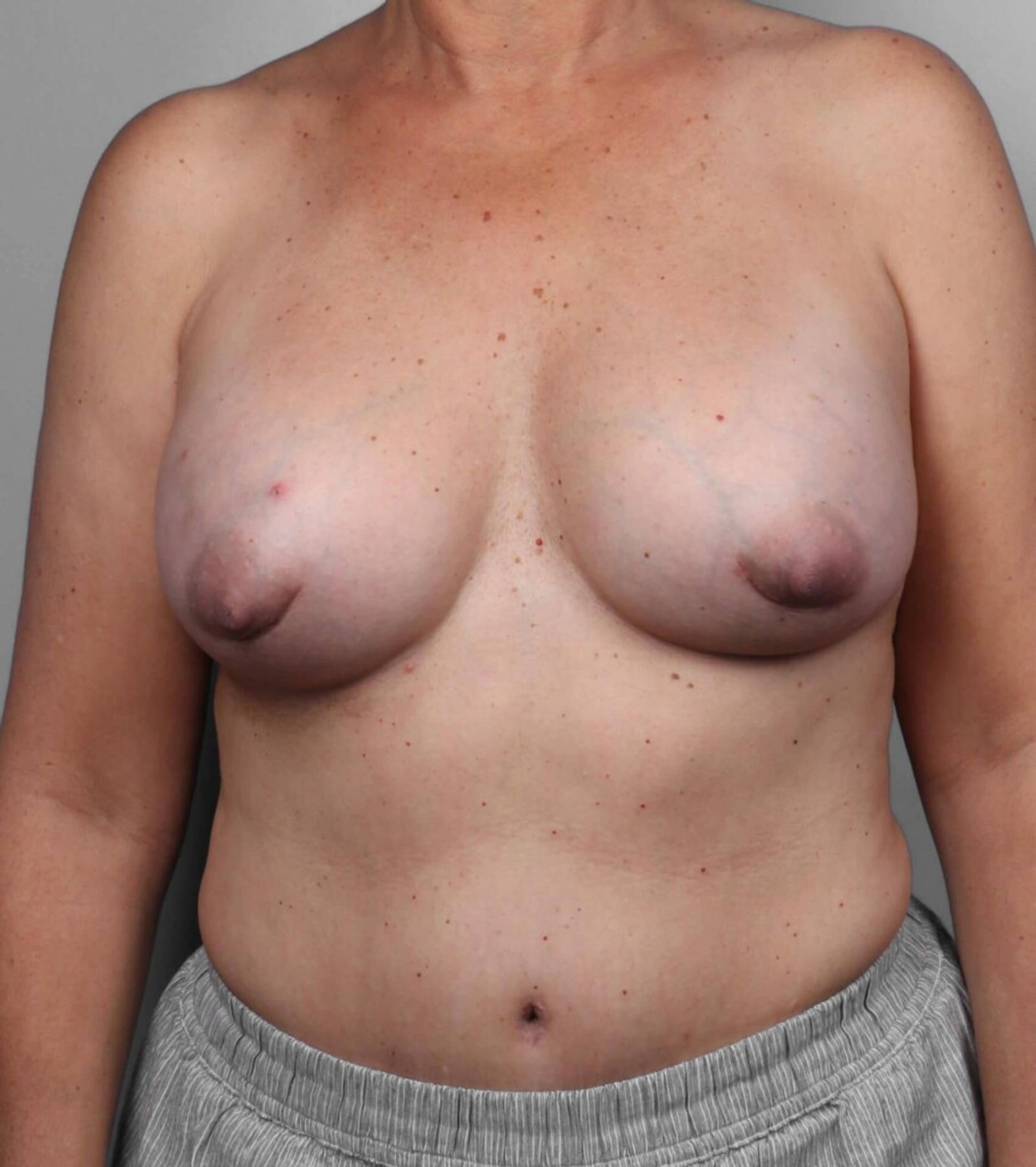
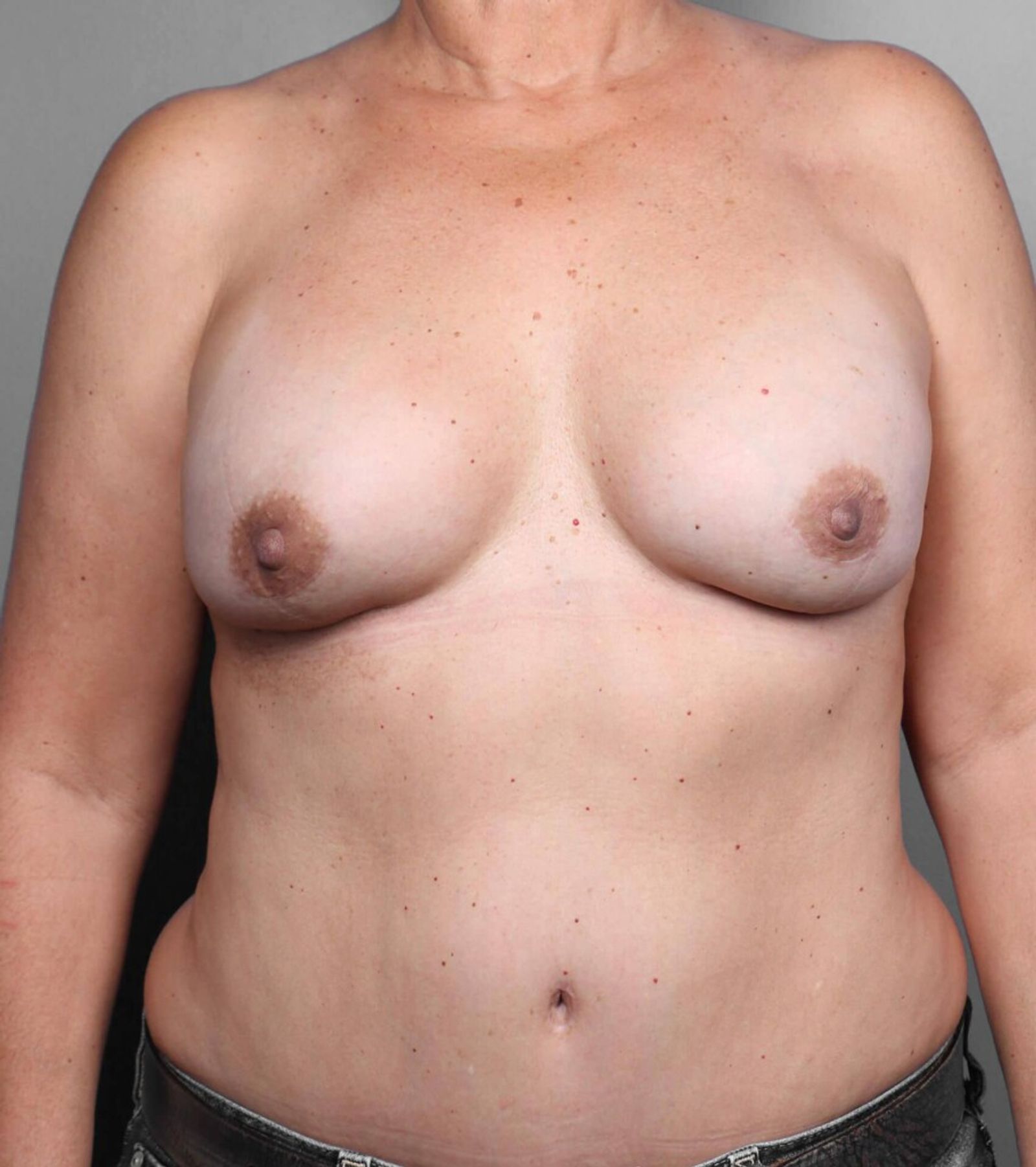
Drag the handle to compare. Click anywhere to jump.
Additional views
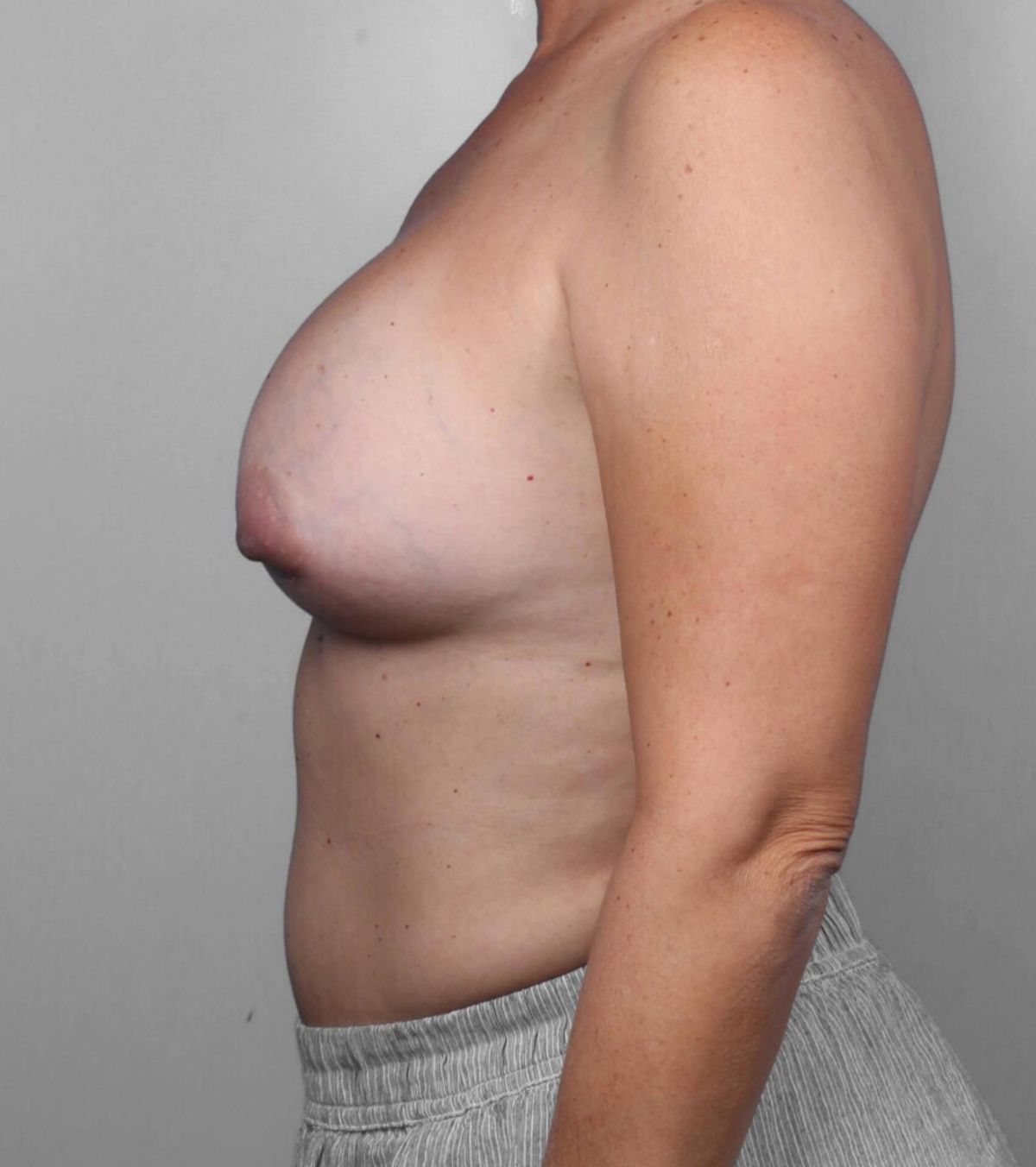
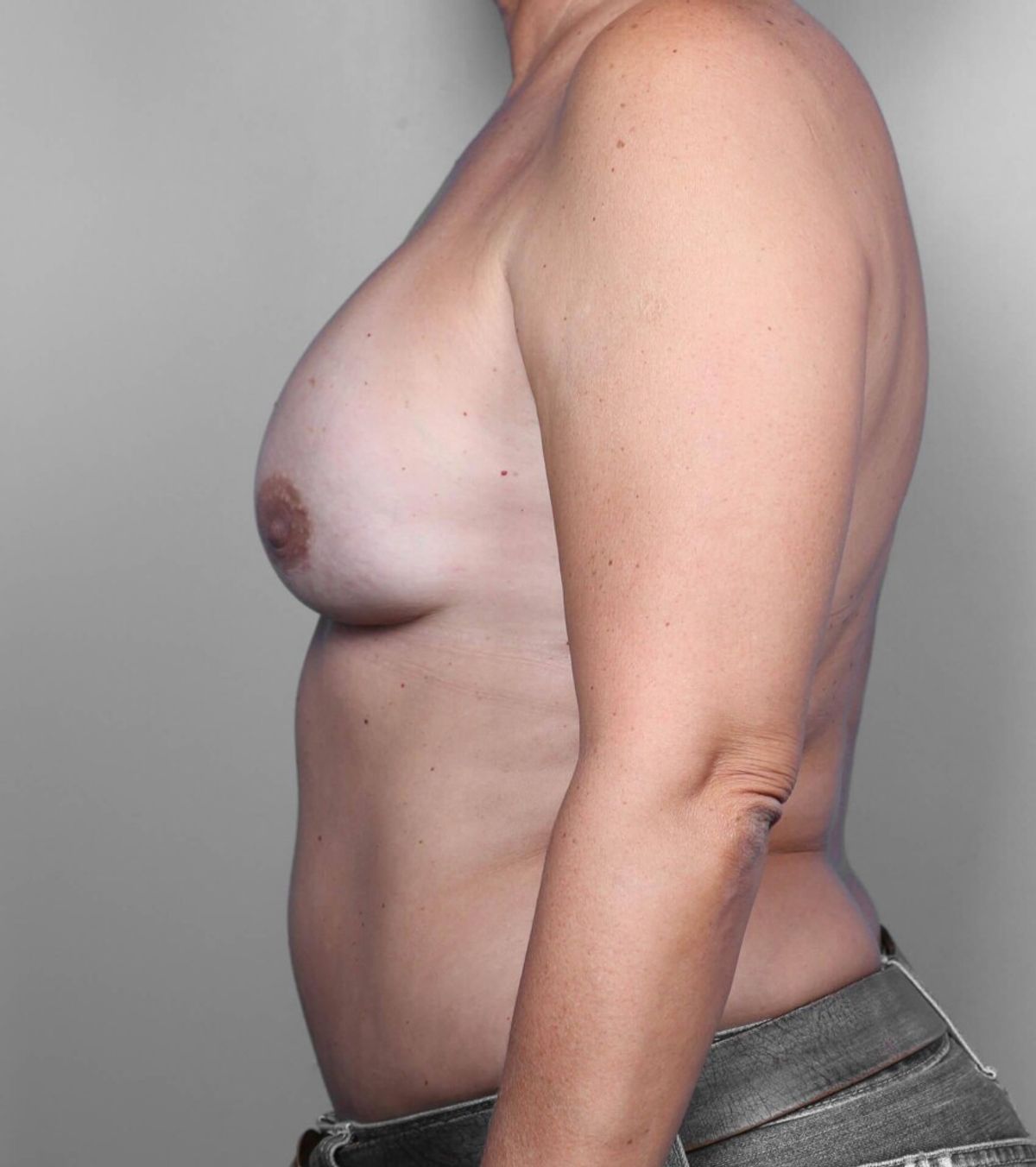
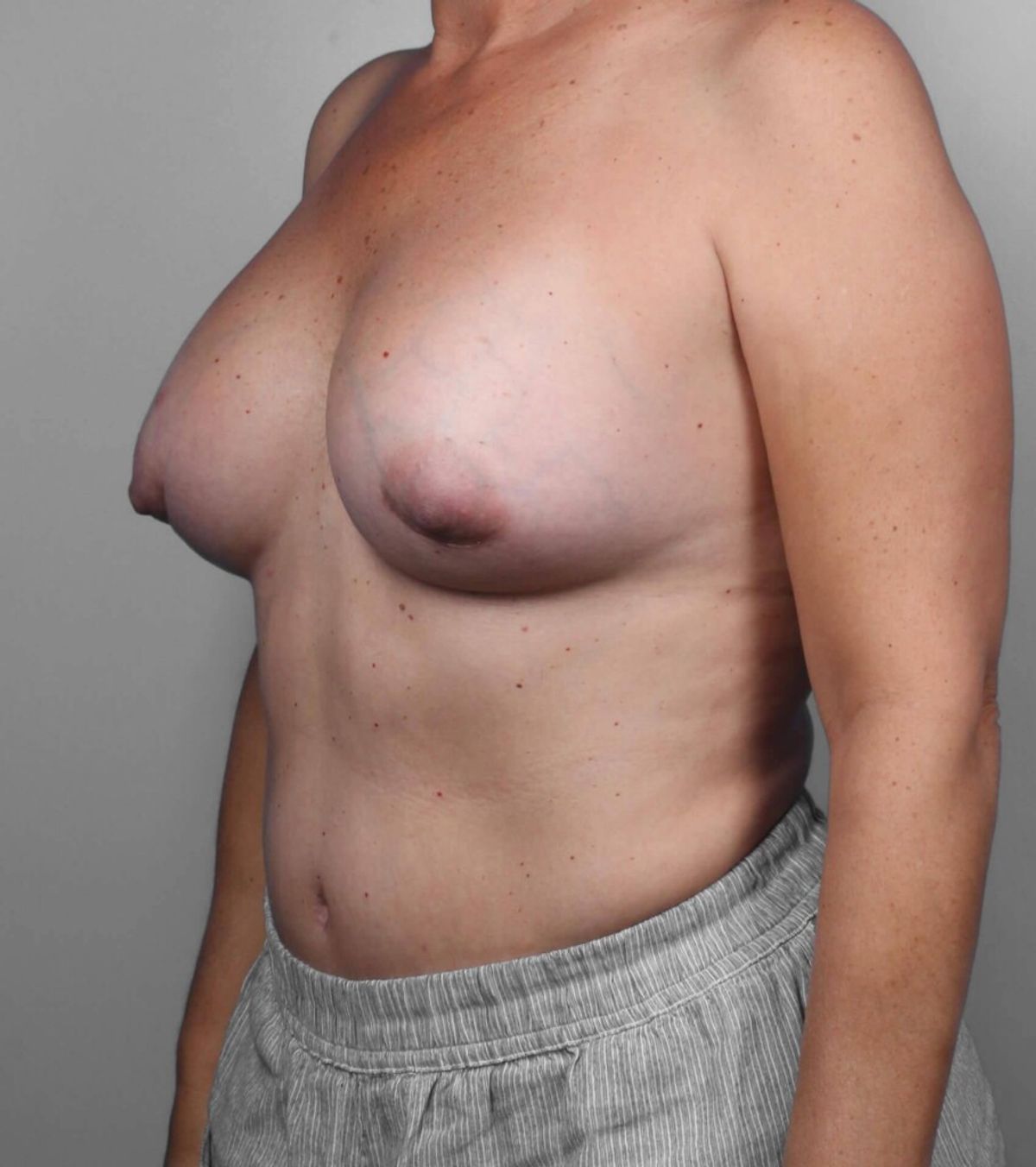
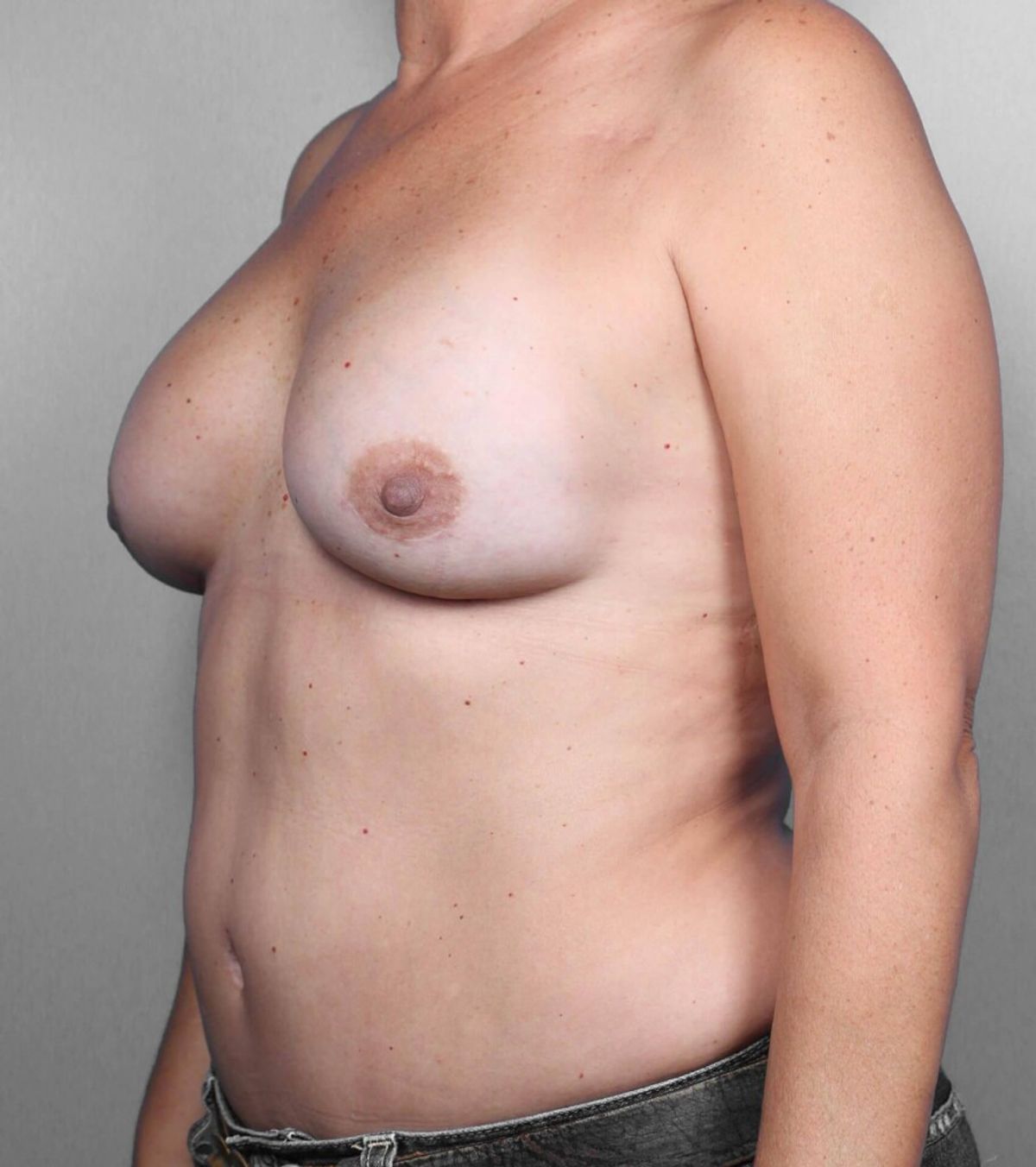
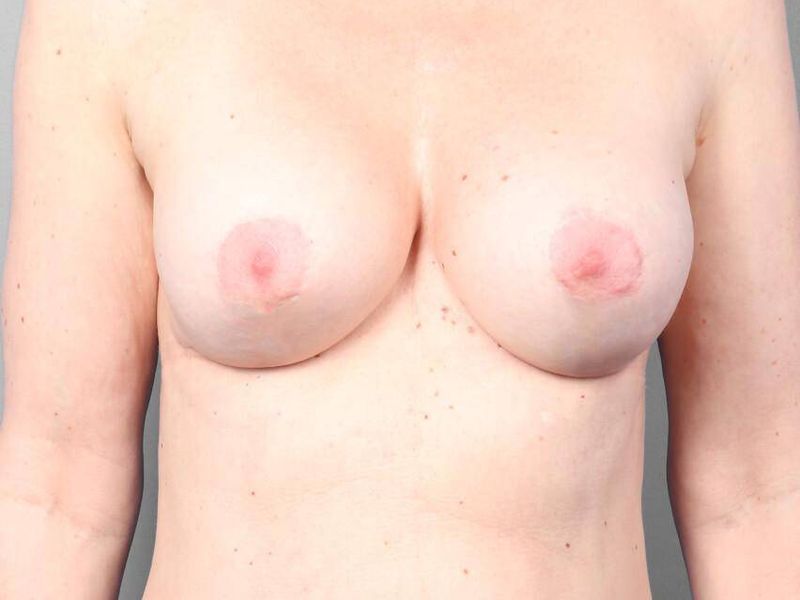
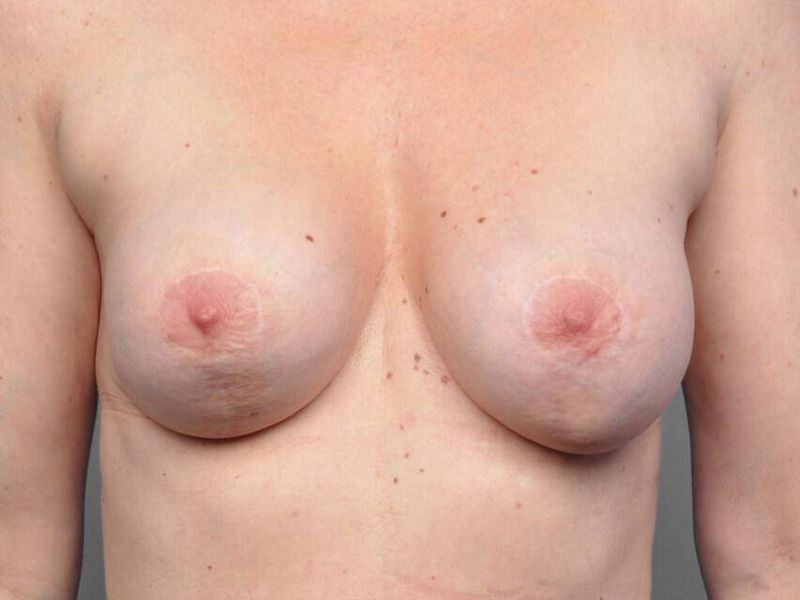
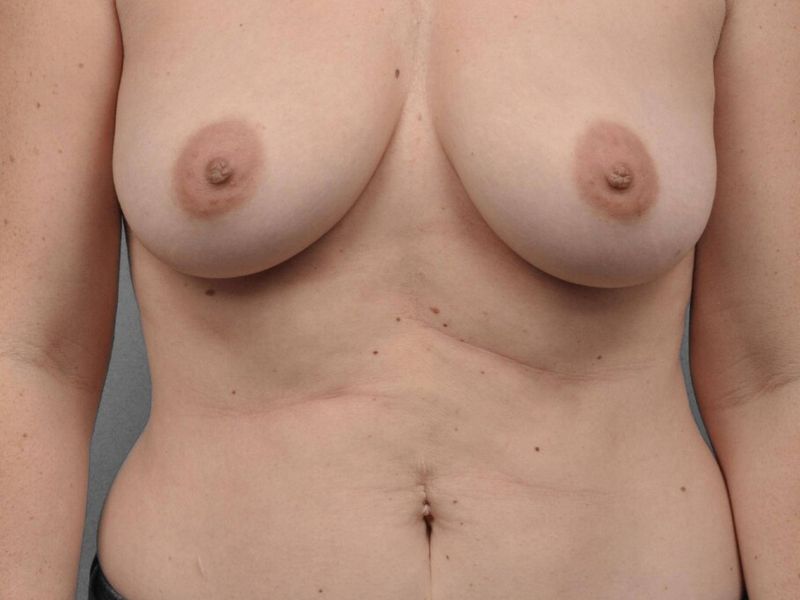
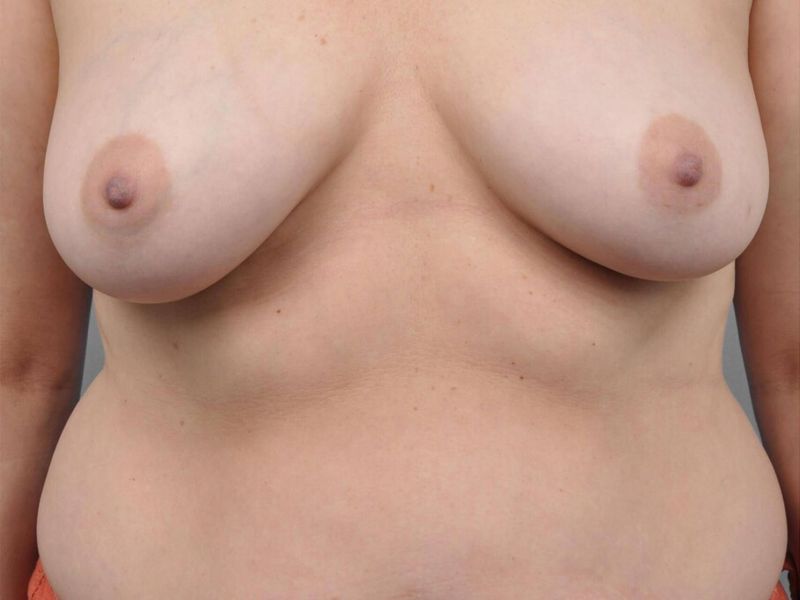
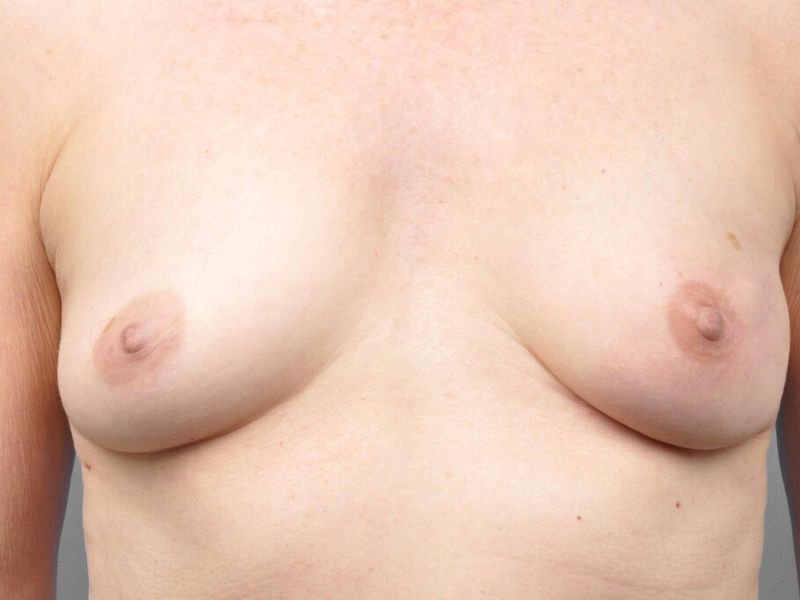
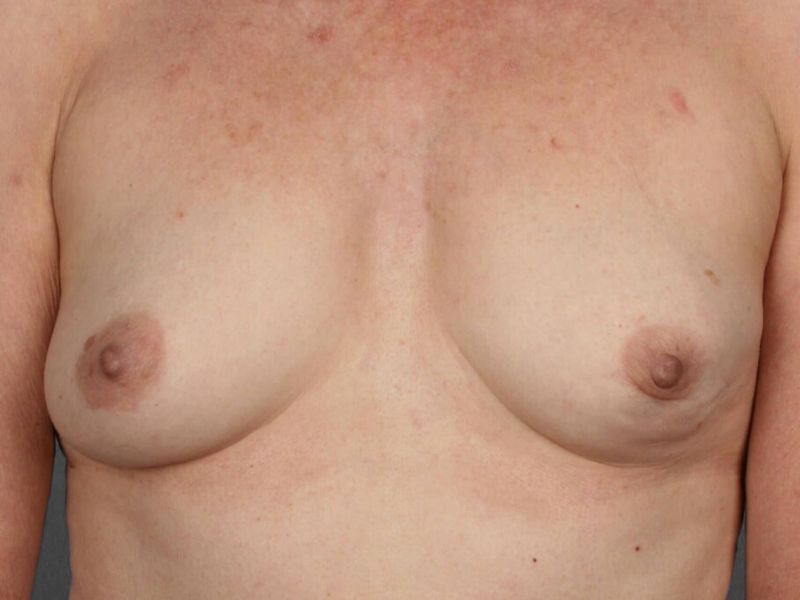
This 57-year-old-patient had previous implants, and was diagnosed with right breast cancer and underwent a bilateral mastectomy; During the same procedure Dr. Cassileth performed one stage breast reconstruction. Fat grafting was performed as a secondary surgery to improve fullnes
Continued care
Recommended aftercare, skincare, and MedSpa services for Fat Grafting Breast Reconstruction.
- No pressure on the reconstructed breast for 3 weeks — graft survival depends on tissue contact preservation
- No bra with underwire for 6 weeks
- Walking encouraged; cardio at week 4
- Liposuction donor sites: compression garment for 4–6 weeks
- Hyperbaric Oxygen Therapy to support healing when recommended
- SkinCeuticals C E Ferulic on liposuction incision site scars
- Body hydration protocol on donor sites
- SPF 50+ on all scars for 12 months
- Hyperbaric oxygen therapy when recommended — supports graft survival
- Indiba radiofrequency on donor sites
- LED light therapy to reduce bruising
- Coordination
Long-term surveillance imaging stays on the oncology pathway; our team coordinates timing with theirs.
Post-mastectomy patients stay on a long-term surveillance pathway.
- Aftercare
Lymphatic drainage prioritized at week 1 to limit post-axillary swelling.
Lymphatic disruption from axillary work makes early drainage more valuable.
Why this approach
The decisions that shaped this surgical plan.
- Reconstruction planned around the oncologic mastectomy, surgical timing, tissue preservation, and incision pattern were chosen to support both safe cancer clearance and long-term aesthetic outcome.
- Unilateral case, the contralateral side was reviewed pre-op for symmetry goals. The technique was selected to match the untreated side in volume, shape, and position.
Pre-op preparation
What to do before surgery. Specific to this case.
- Stop NSAIDs, aspirin, and high-dose fish oil two weeks before surgery; the surgical team provides a full medication list at the pre-op visit.
- No nicotine for 6 weeks before through 6 weeks after surgery. The vascular impact directly affects skin healing.
- No overhead clothing for 3 weeks. Stock front-zip tops, supportive sports bras (post-clearance), and the drain pouches we provide.
- A driver is required the day of surgery and a responsible adult should stay with you the first 24 hours.
- Surgical date confirmed against oncology pathway. Imaging and pathology results are reconciled by the team at the pre-op visit.
Recovery timeline
Milestones specific to this case. Individual recovery varies.
- Day 1–7
Drain care, low-lift movement, and rest through the first week. Nerve blocks (Exparel) cover the worst of the pain through day 3.
- Week 2
Walking distance doubles. Showering rules relax. Compression garments transition to the long-wear schedule.
- Week 4
Most patients back to gym cardio at 50 percent intensity. Scar massage protocol begins. Driving restored if not already.
- Week 6
The "back to normal" week for most patients. Final compression schedule transitions to optional.
- Month 3
Coordinated oncology and surgical check-in. Reconstruction shape and feel begin to mature.
- Month 6
Mature result. Patients commonly schedule the final phase of staged reconstruction here.