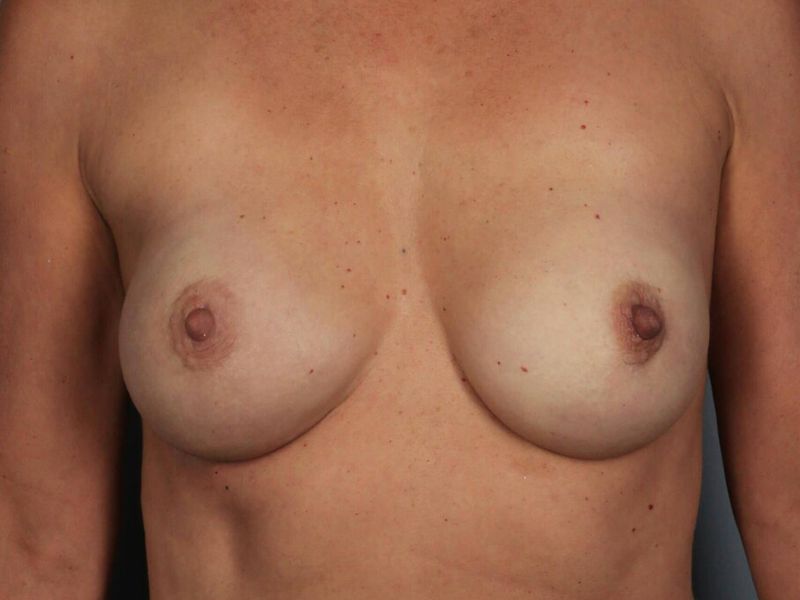
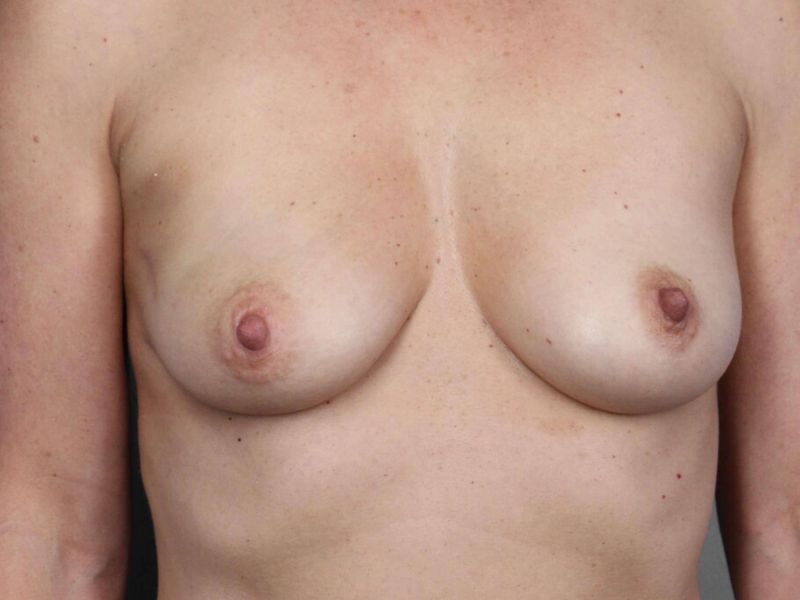
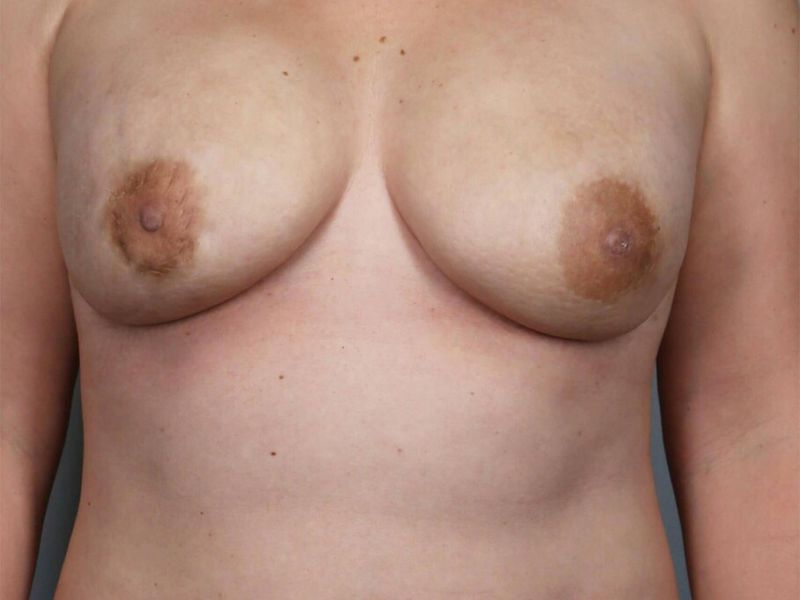
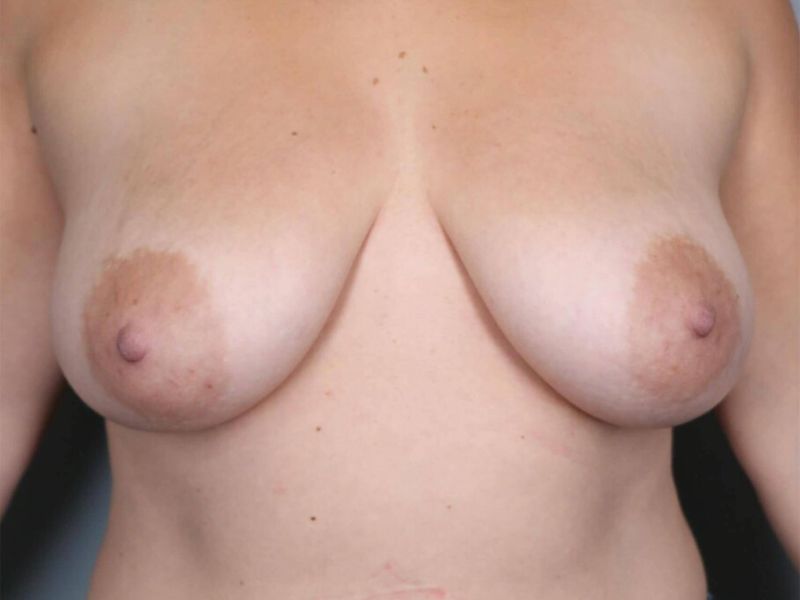
Case #1262
Direct-to-Implant Reconstruction
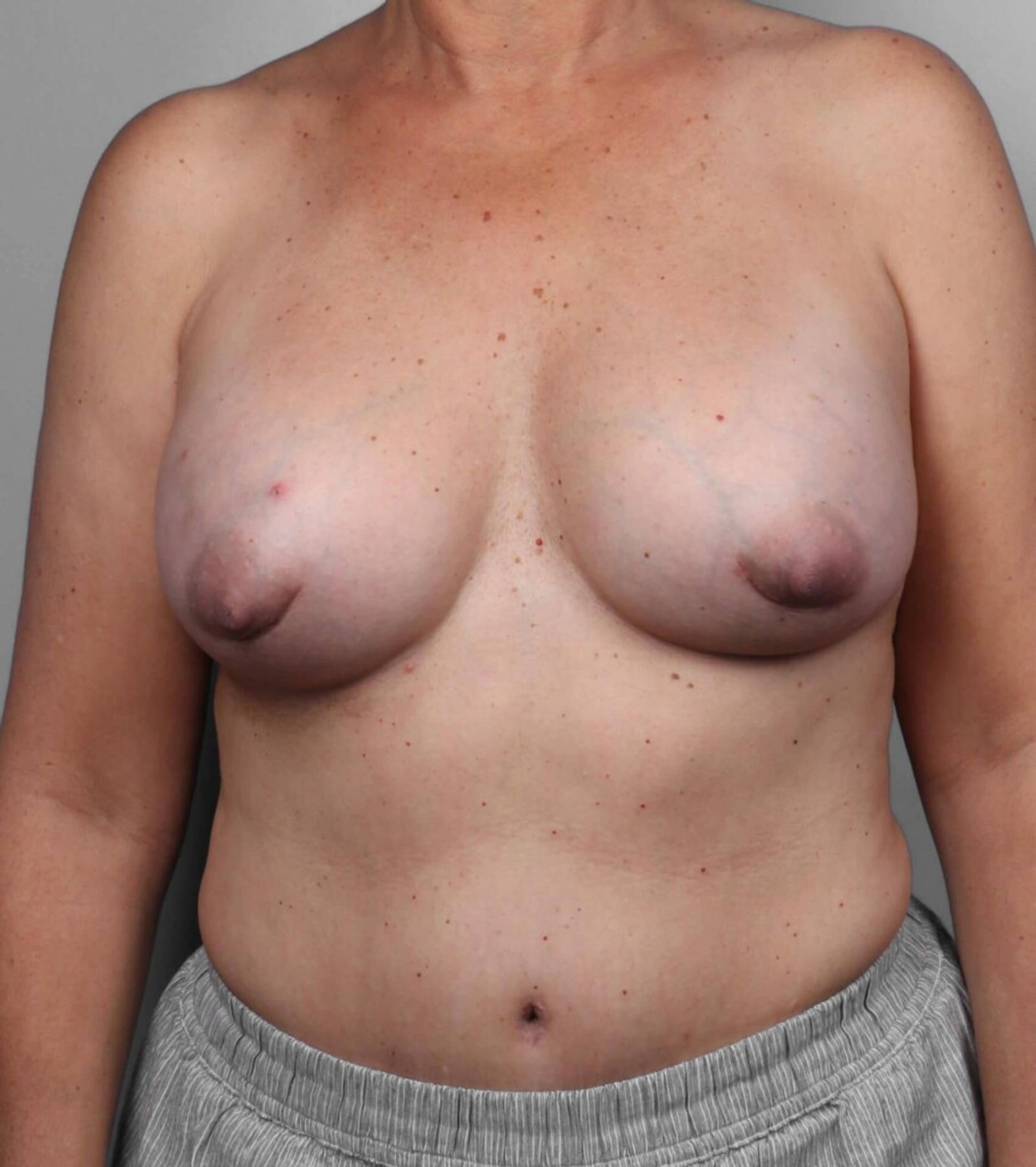
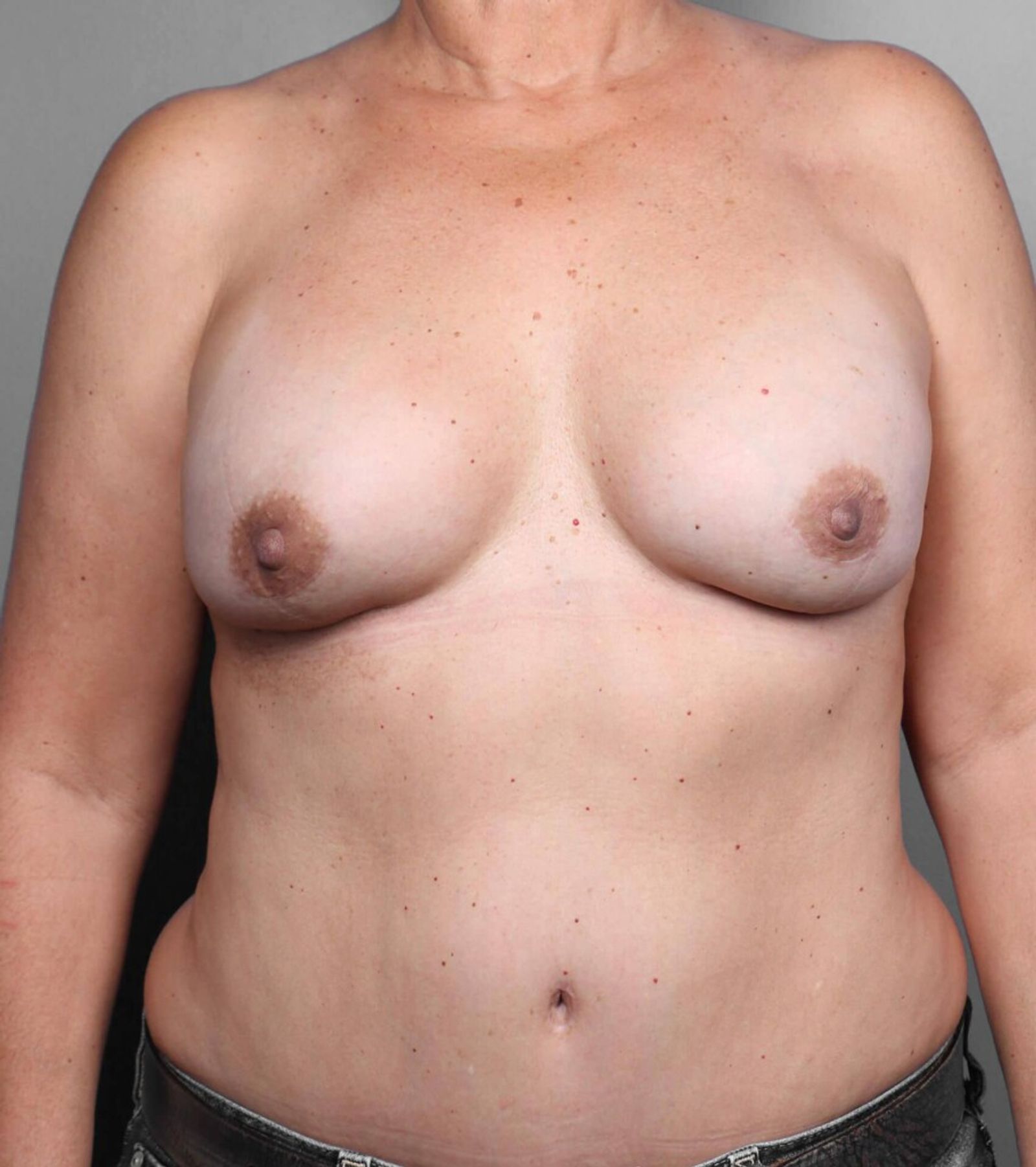
Drag the handle to compare. Click anywhere to jump.
Additional views
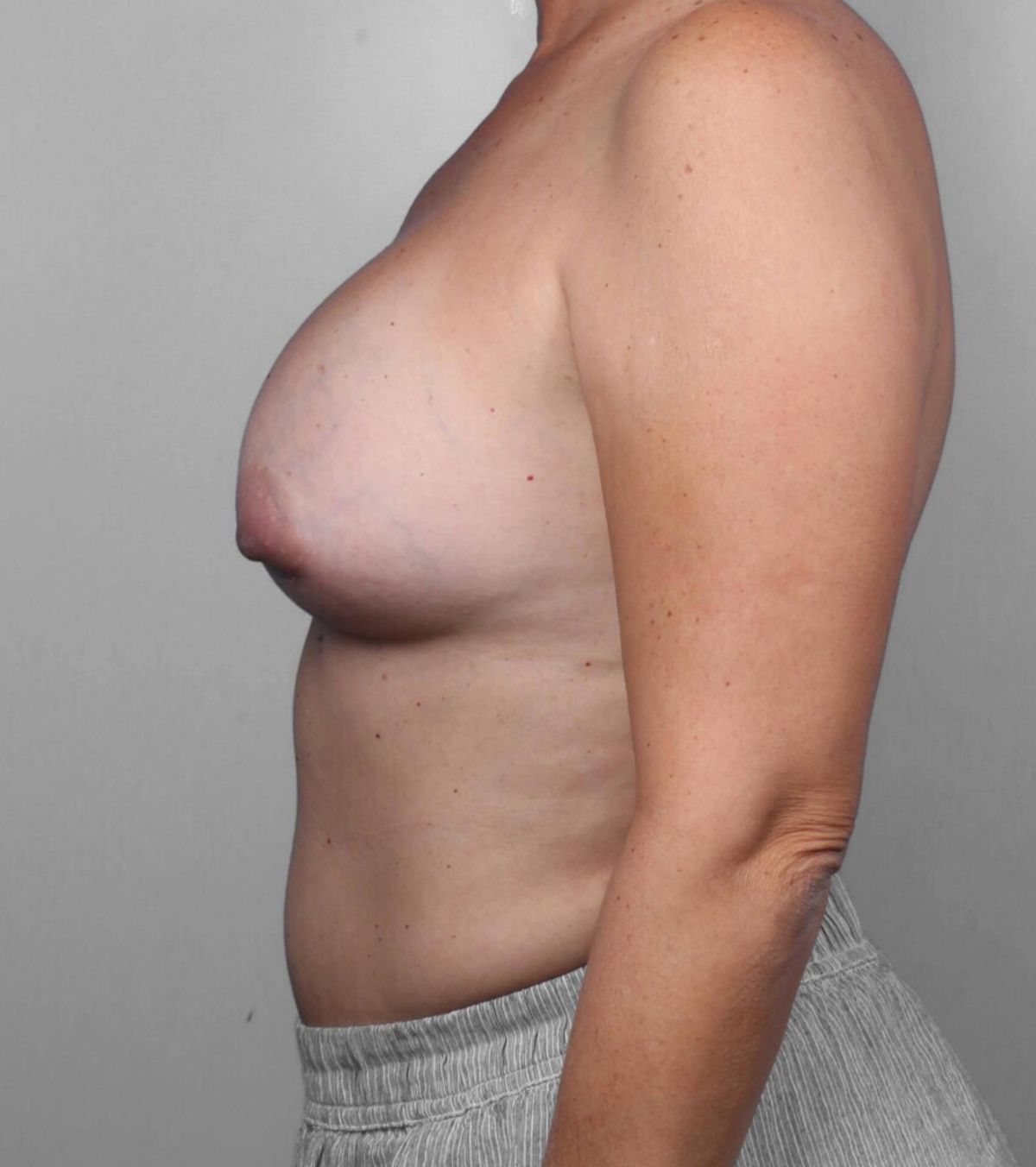
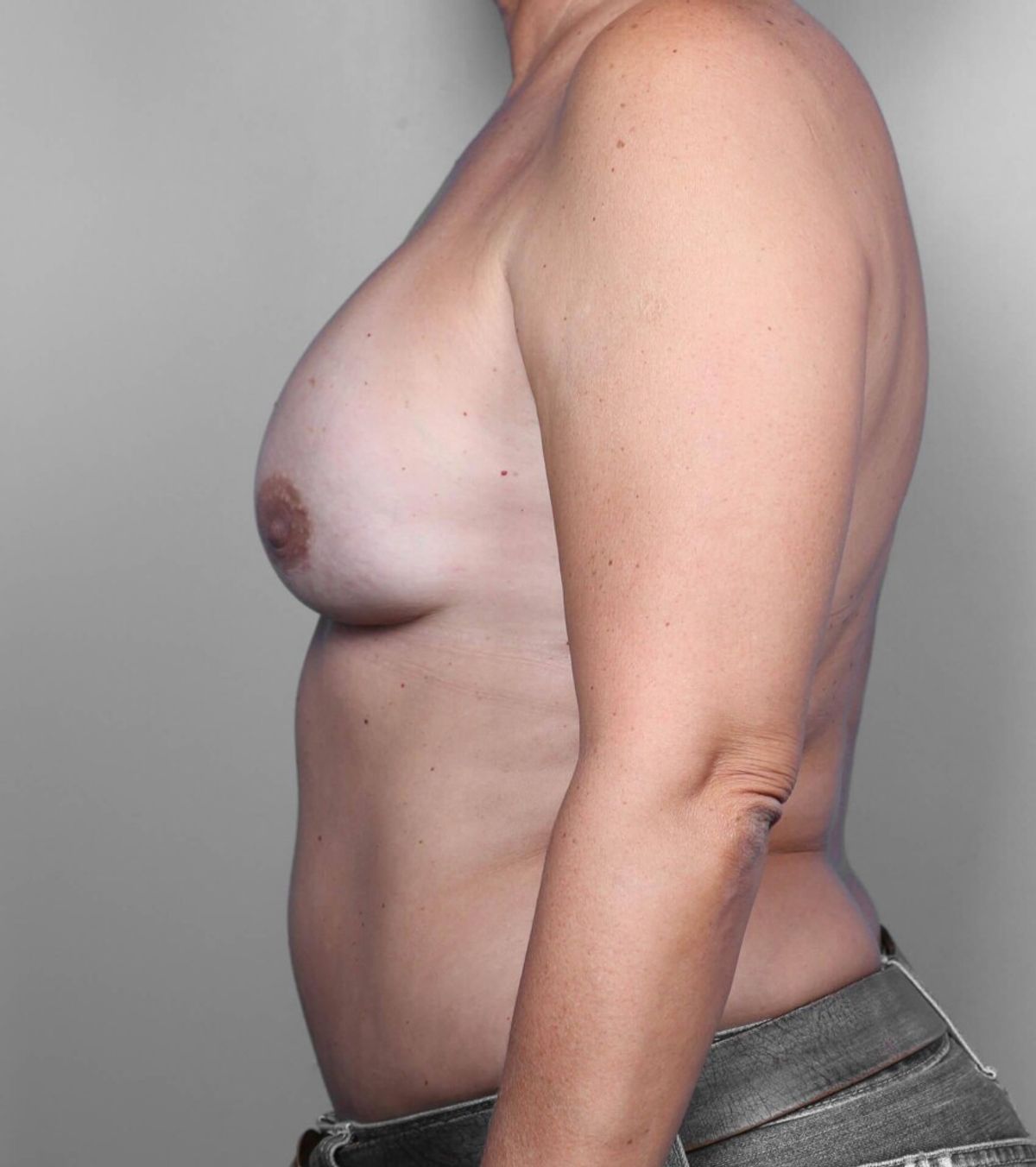
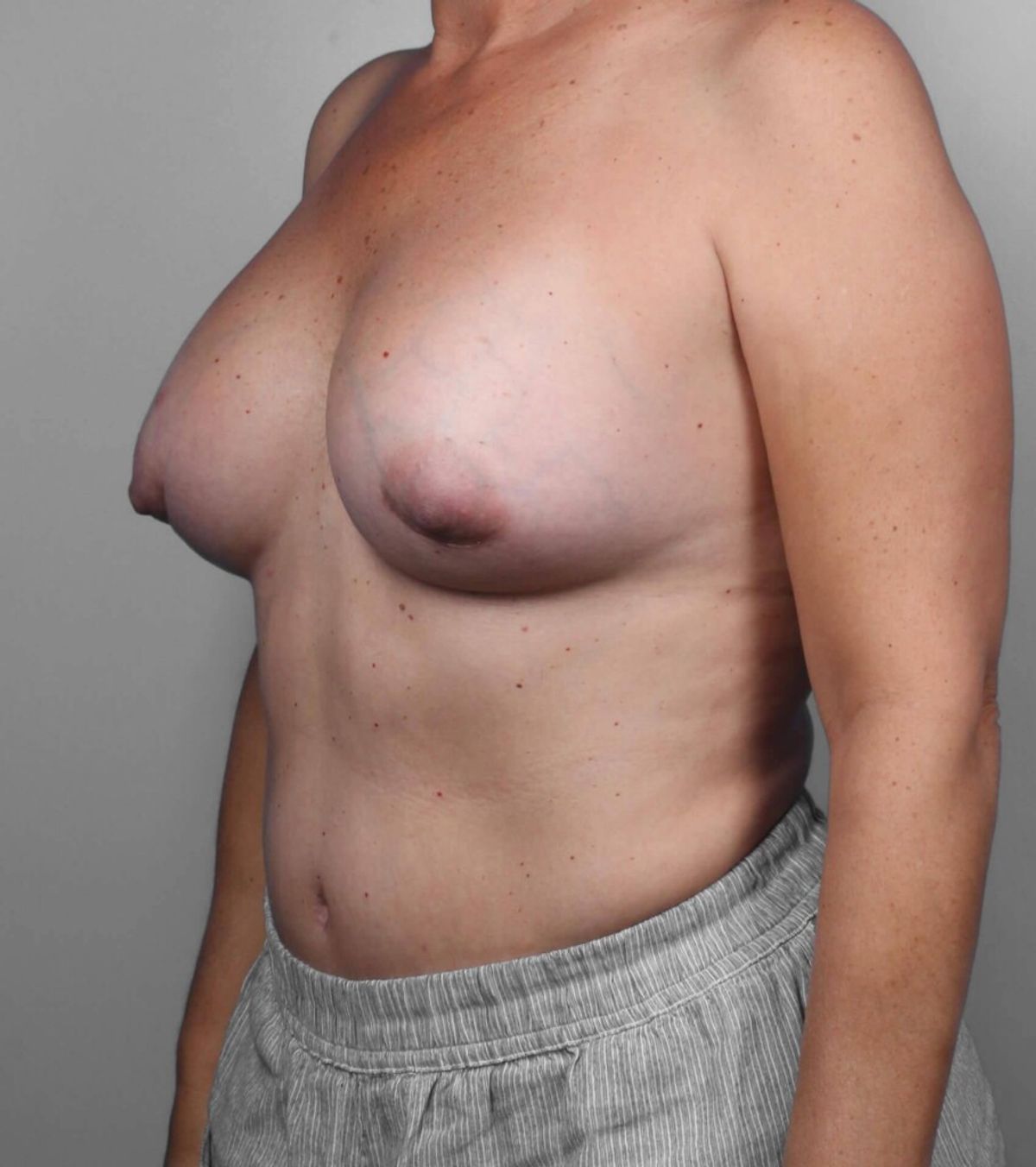
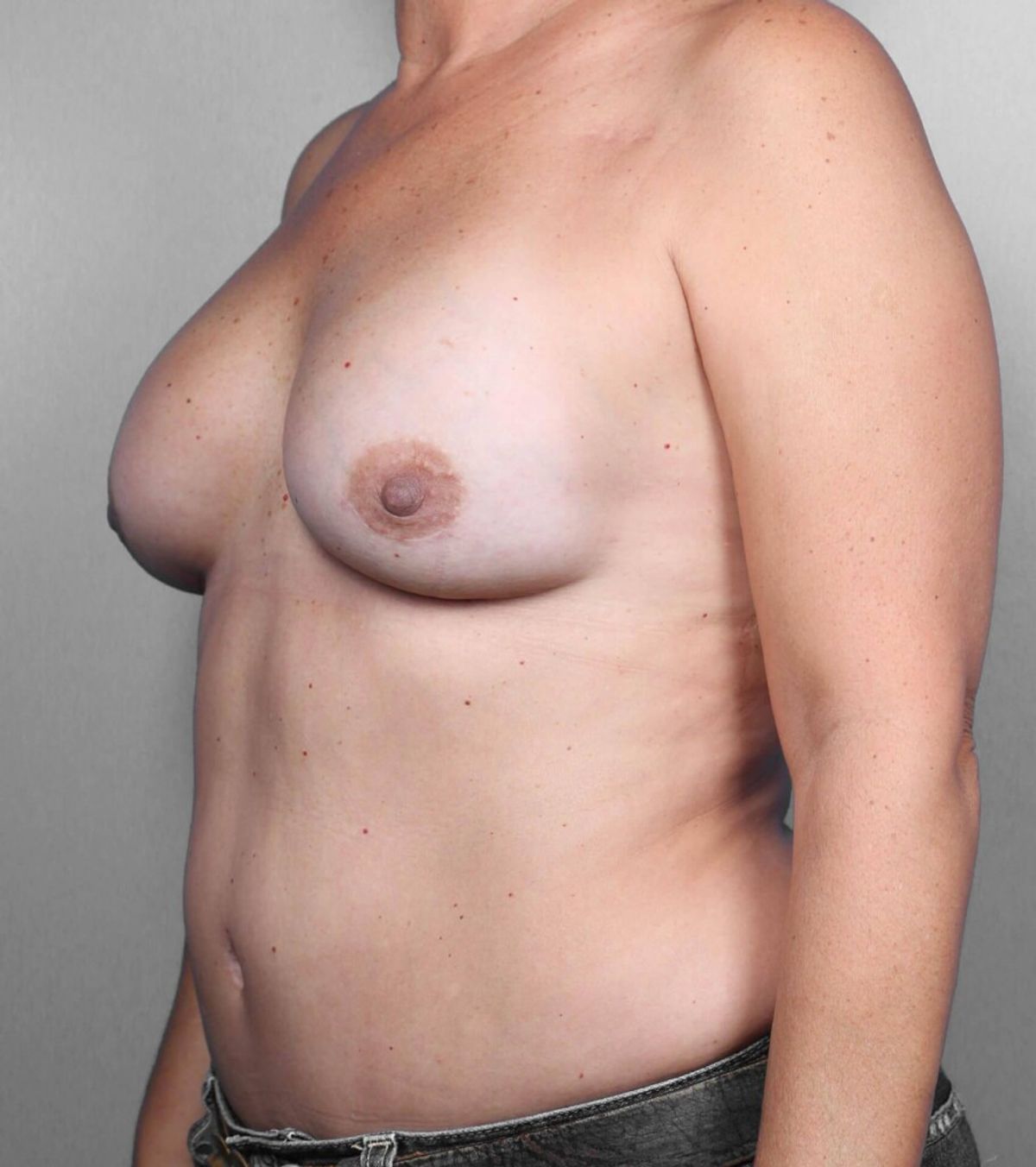
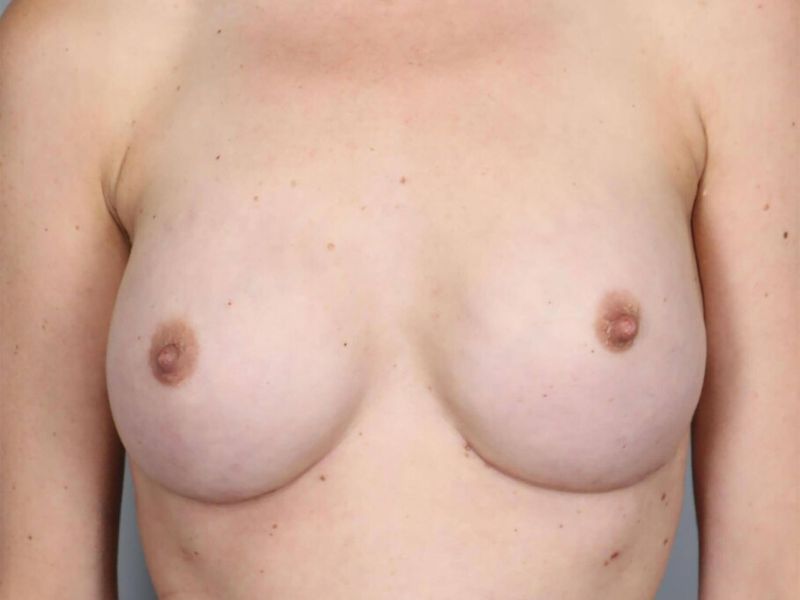
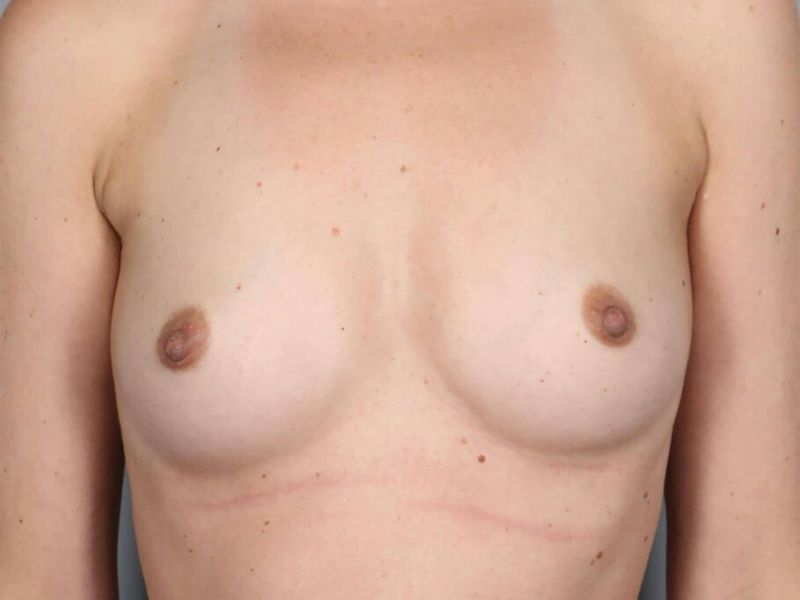
This 57-year-old-patient had previous implants, and was diagnosed with right breast cancer and underwent a bilateral mastectomy; During the same procedure Dr. Cassileth performed one-stage breast reconstruction. Fat grafting was performed as a secondary surgery to improve fullnes
Continued care
Recommended aftercare, skincare, and MedSpa services for Direct-to-Implant Reconstruction.
- Lymphatic drainage massage starting week 2
- Compression garment for 4–6 weeks
- Scar management protocol at 3 weeks
- Hyperbaric oxygen therapy to raise tissue oxygen and support skin and incision healing, particularly with prior radiation or a compromised blood supply
- SkinCeuticals C E Ferulic for scar healing
- Medical-grade silicone sheeting
- SPF 50+ on incision sites
- Laser or microneedling for scar refinement after 3 months
- LED light therapy to accelerate healing
- Indiba radiofrequency for tissue recovery
- Coordination
Imaging cadence reviewed against the oncology plan at the 3-month visit.
Post-mastectomy patients stay on a long-term surveillance pathway.
- Aftercare
Early lymphatic massage protocol initiated in the first week of recovery.
Lymphatic disruption from axillary work makes early drainage more valuable.
Why this approach
The decisions that shaped this surgical plan.
- Oncology and reconstruction planned together rather than in sequence, the mastectomy pattern was selected to leave the best possible foundation for the reconstructive technique that followed.
- Surgical plan calibrated against the opposite side. Final shape, scar position, and volume targeted to match, not to a generic ideal.
Pre-op preparation
What to do before surgery. Specific to this case.
- Aspirin, ibuprofen, vitamin E, and fish oil discontinued 14 days pre-op to reduce bruising risk. Acetaminophen is allowed.
- No nicotine for 6 weeks before through 6 weeks after surgery. The vascular impact directly affects skin healing.
- Front-closing clothing only for 3 weeks. Drain holders and supportive surgical bras are issued at discharge.
- Day-of transport and an overnight companion (24 hours minimum) are required for discharge.
- Surgical date confirmed against oncology pathway. Imaging and pathology results are reconciled by the team at the pre-op visit.
Recovery timeline
Milestones specific to this case. Individual recovery varies.
- Day 1–7
First week prioritizes drain care, walking short distances, and avoiding any overhead reaching. Multi-modal pain control keeps narcotic use brief.
- Week 2
Activity ramps up cautiously: longer walks, no lifting yet. Most patients return to desk work this week.
- Week 4
Return to most low-impact activity. Scar massage, compression, and skincare protocols pick up.
- Week 6
Standard clearance milestone. Patients return to most exercise, gym work, and sleeping in any position.
- Month 3
Oncology follow-up timed with the surgical check. Tissue settled enough to assess reconstruction symmetry.
- Month 6
Reconstruction or combo result reaches its mature appearance. Any planned refinement step is timed for this window.
“Reconstructing the breasts at the same time as mastectomy eliminates the risks of multiple surgeries and, more importantly, helps minimize the sense of loss.”
Dr. Lisa Cassileth